The Roaster's
Blog
Brewing guides, origin stories, roast science, and notes from the floor of the Beanlytics roastery in Richmond, BC.
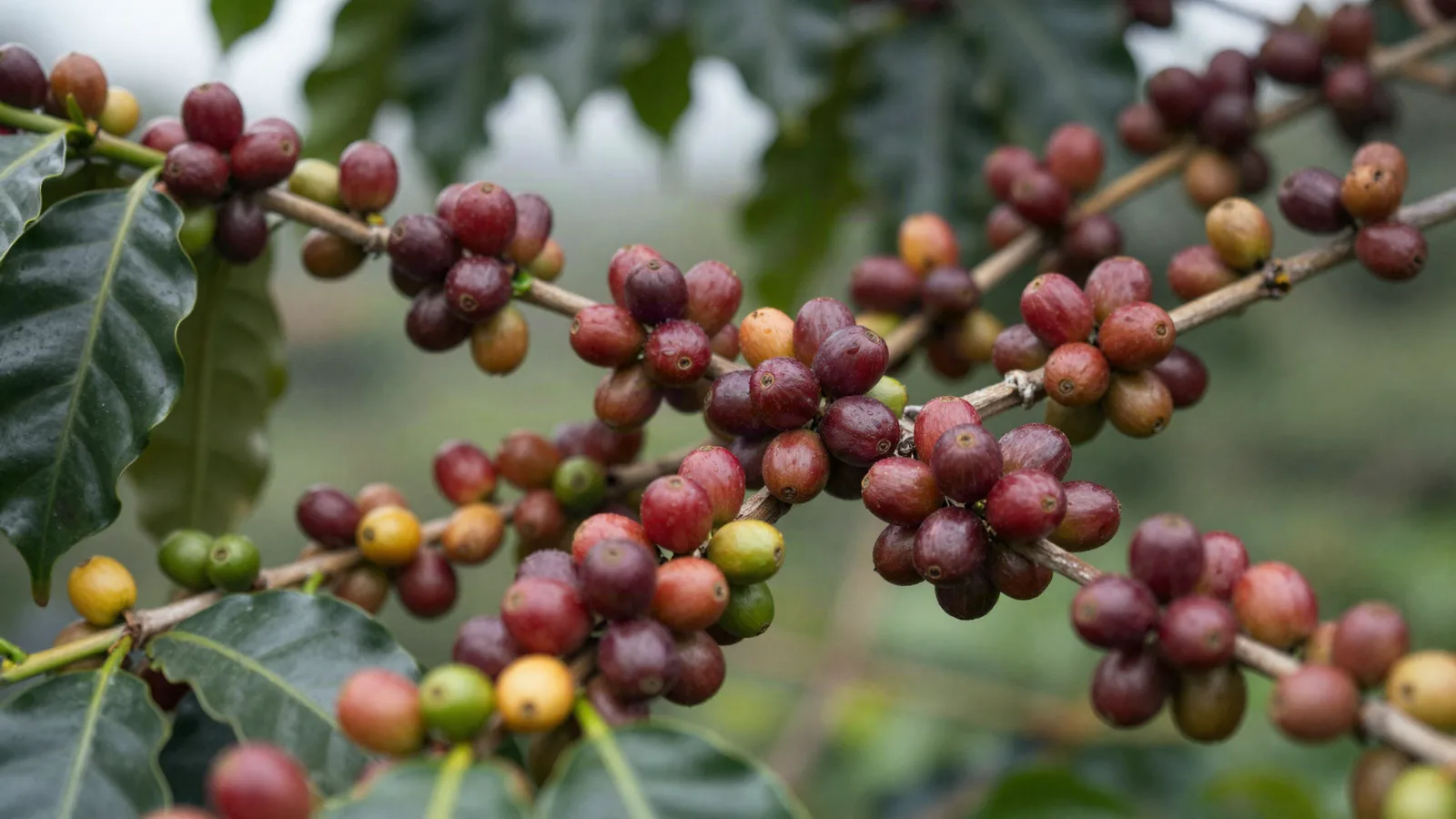
Pacamara Coffee: The Variety, Its Taste and Where It Grows
Pacamara is El Salvador’s cross of Pacas and Maragogipe. We cover where it came from, why its beans are so big and how it tastes beside its parent, Pacas.
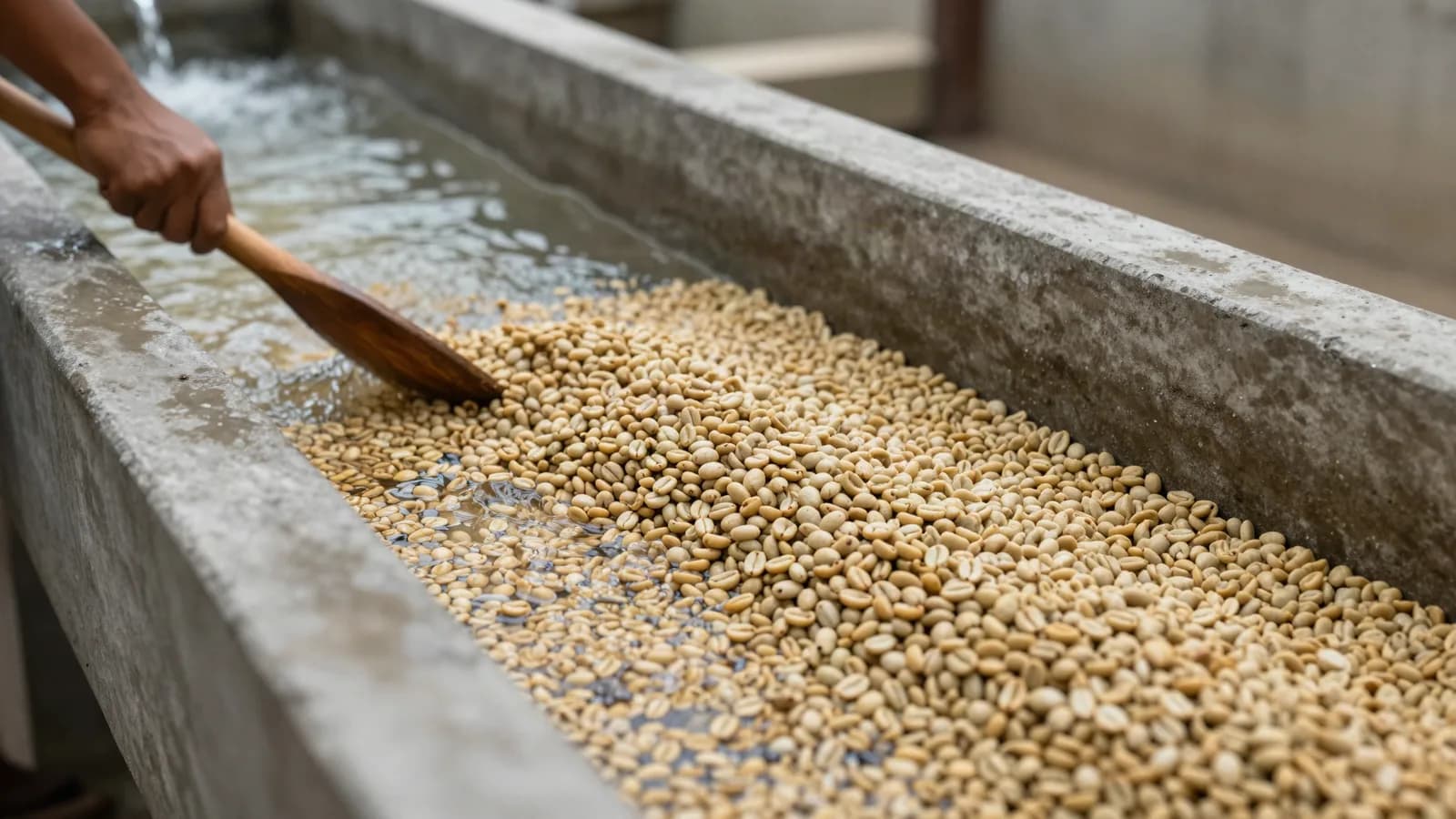
What Is Washed Coffee? How It’s Made and How It Tastes
Washed coffee has its fruit removed before it dries: pulped, fermented in tanks and rinsed. Here is how it’s made and why washed coffees taste clean and bright.
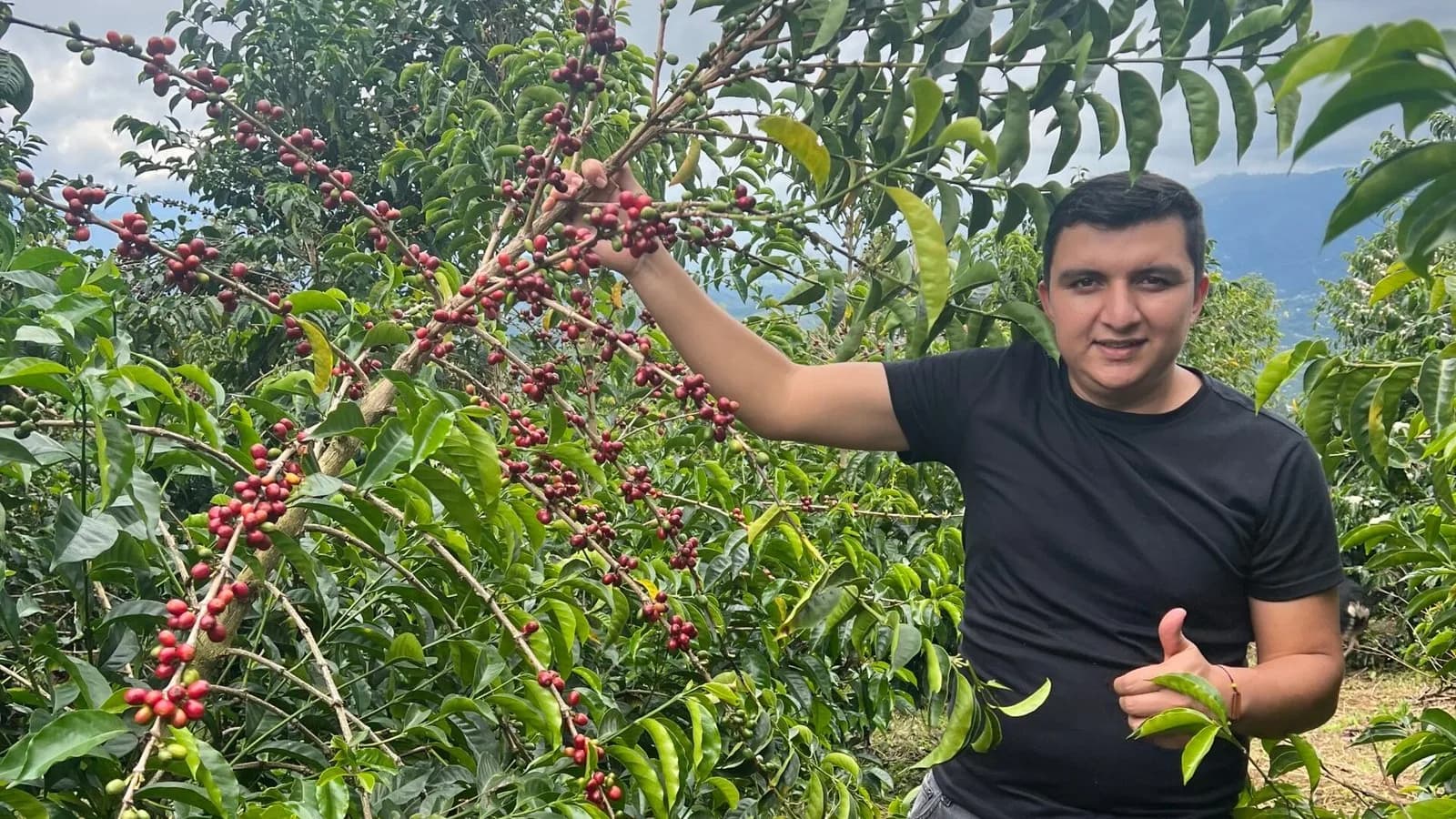
What Is Anaerobic Coffee? Anaerobic Washed vs Natural
Anaerobic coffee ferments in a sealed, low-oxygen tank, then finishes washed, honey or natural. How the styles differ, and the anaerobic Sidra we roast.
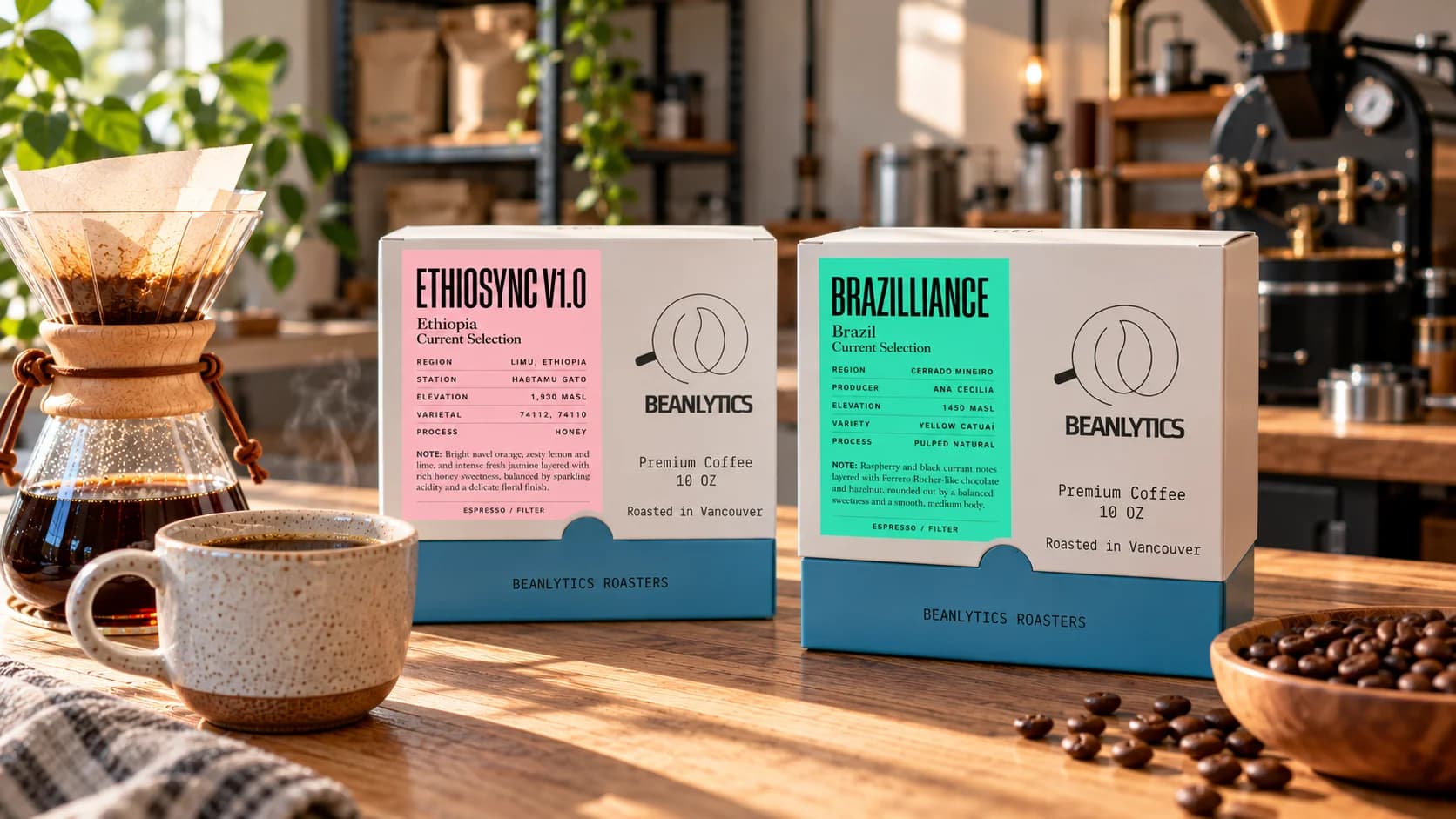
Honey Process Coffee: What It Is, How It’s Made and How It Tastes
Honey process coffee is pulped, then dried with its sticky mucilage on. How it is made, the white to black grades, and how it tastes, from a Richmond roaster.
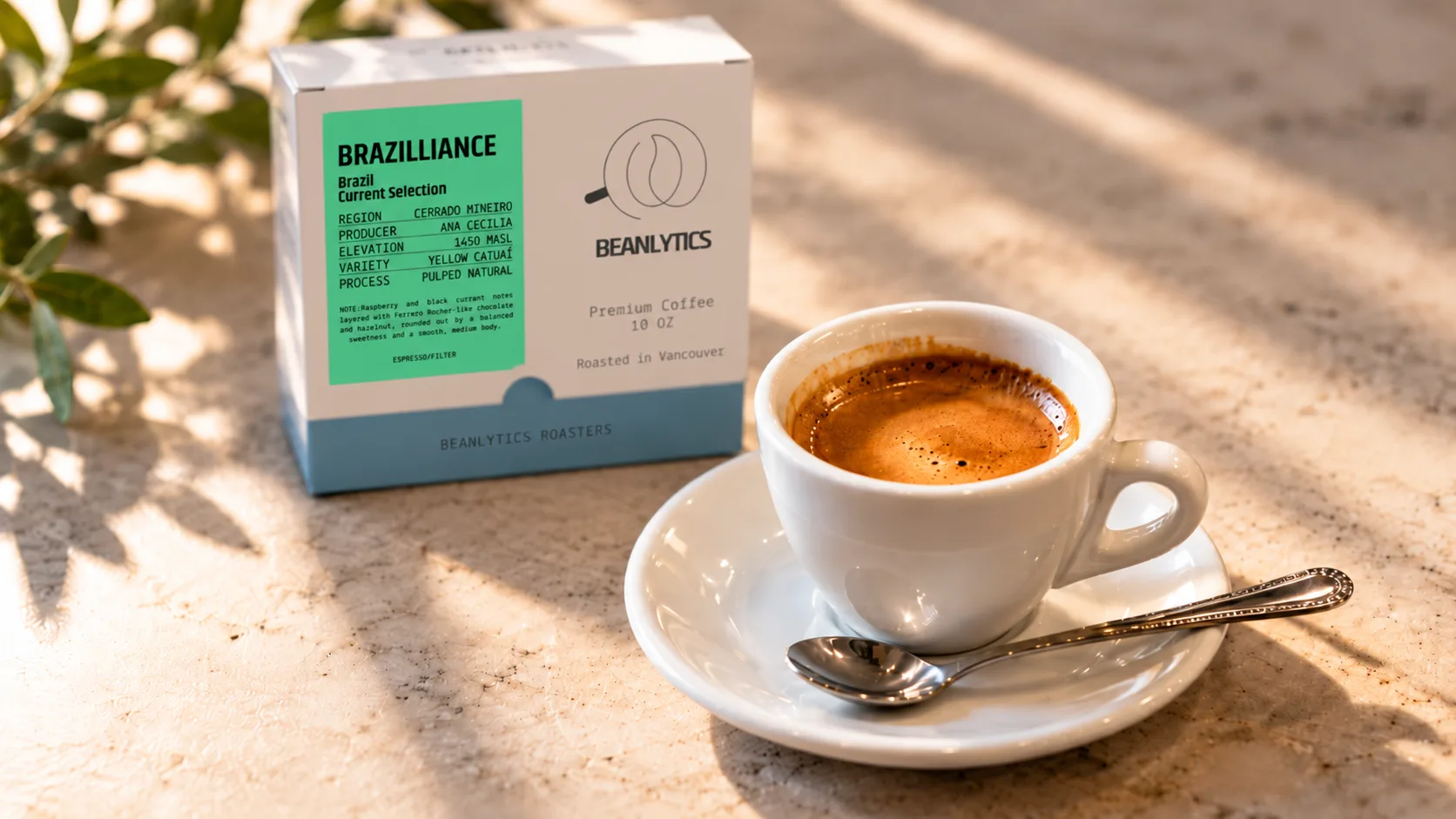
Espresso Beans vs Coffee Beans: What’s the Difference?
Espresso beans and coffee beans are the same bean. The roast, the grind and the brew method change. A Richmond roaster on what to buy for espresso.
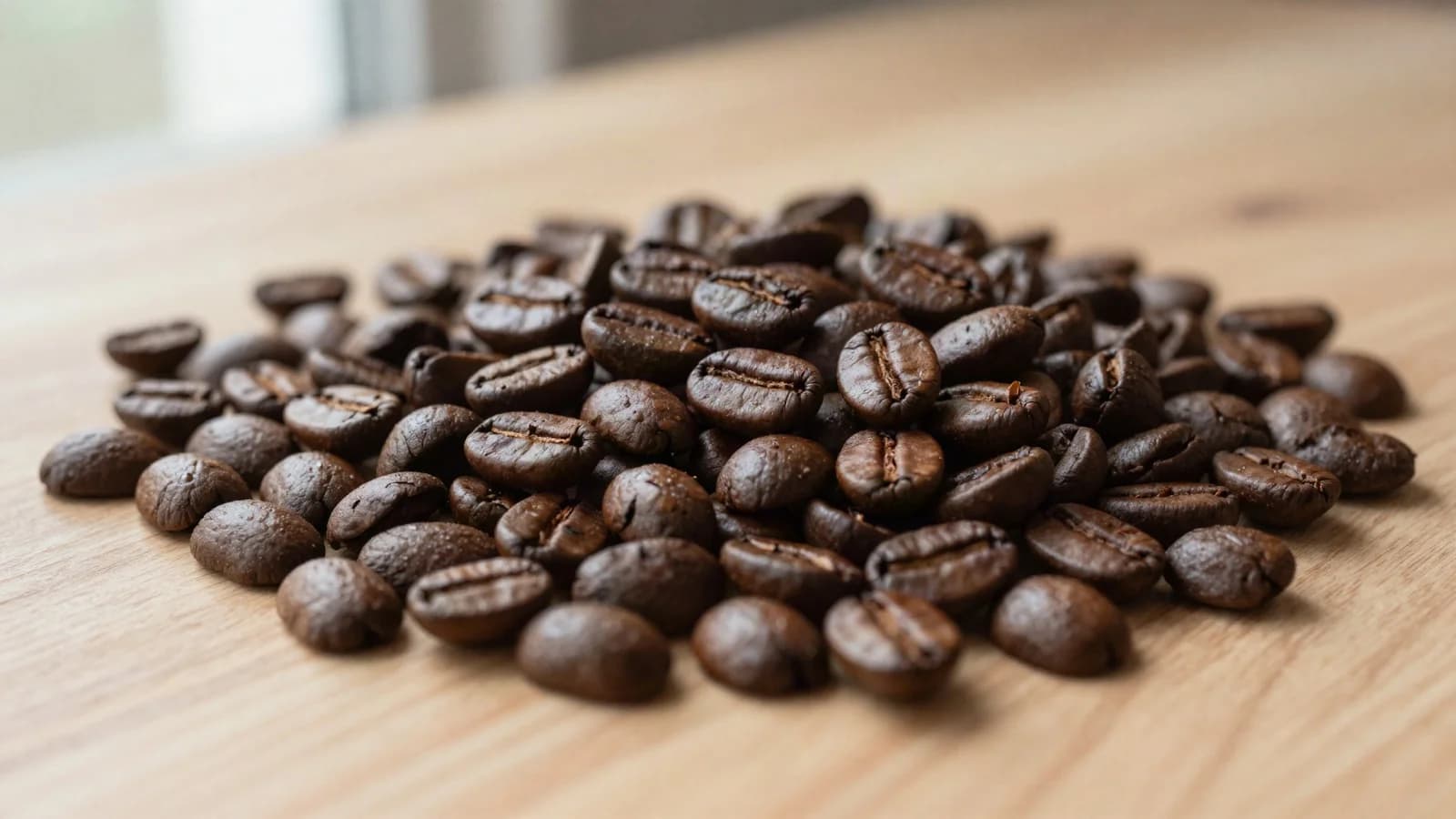
How Long Do Coffee Beans Stay Fresh After Roasting?
Roasted whole beans taste best for one to three weeks, ground coffee one to two. The 15-15-15 rule, how to store beans, and how old ours are when they arrive.
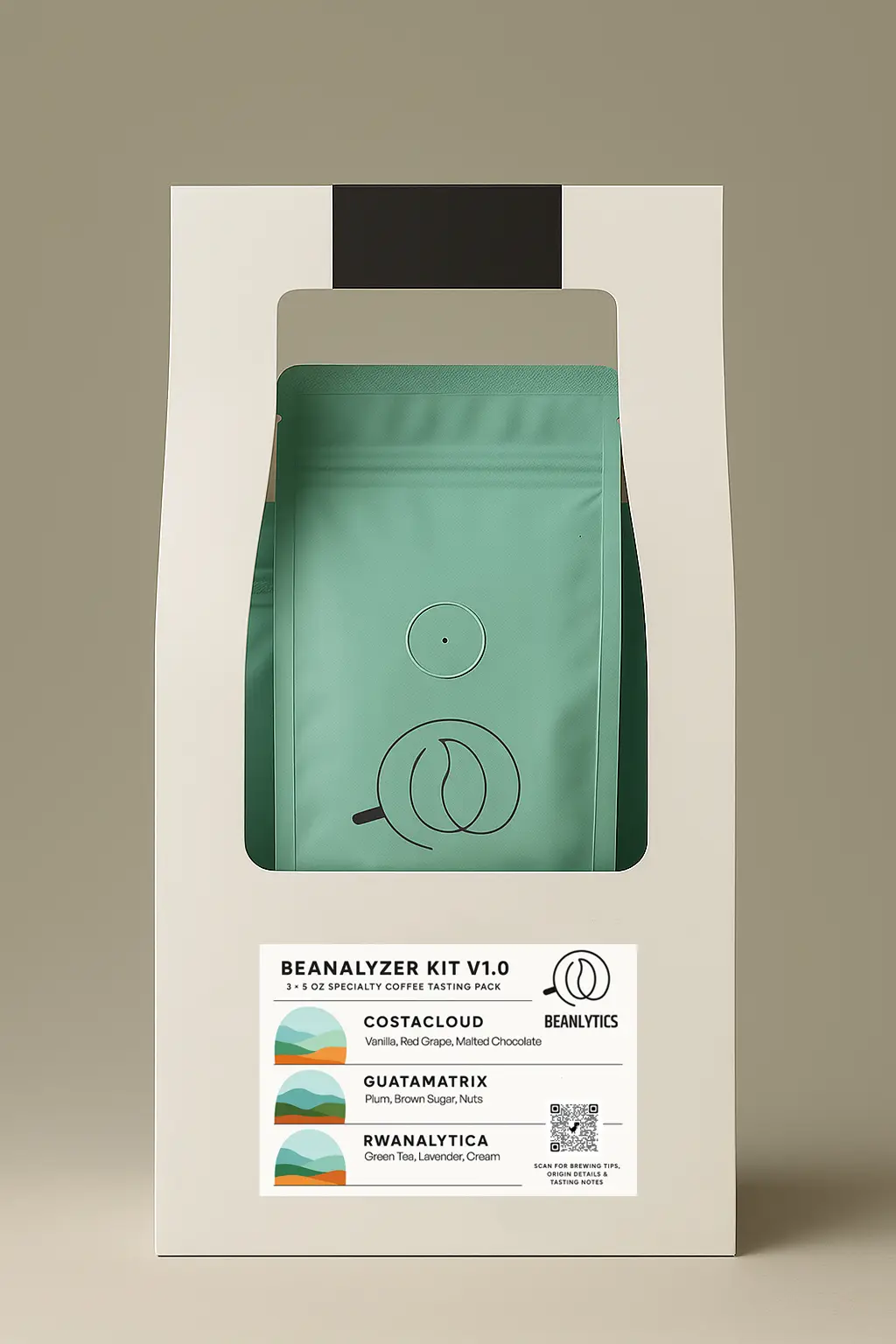
How to Taste Coffee at Home: A Q Grader’s Method
Taste two or three coffees side by side, black, at three temperatures, and name five things: a Q Grader’s cupping method scaled to a kitchen, with real lots.
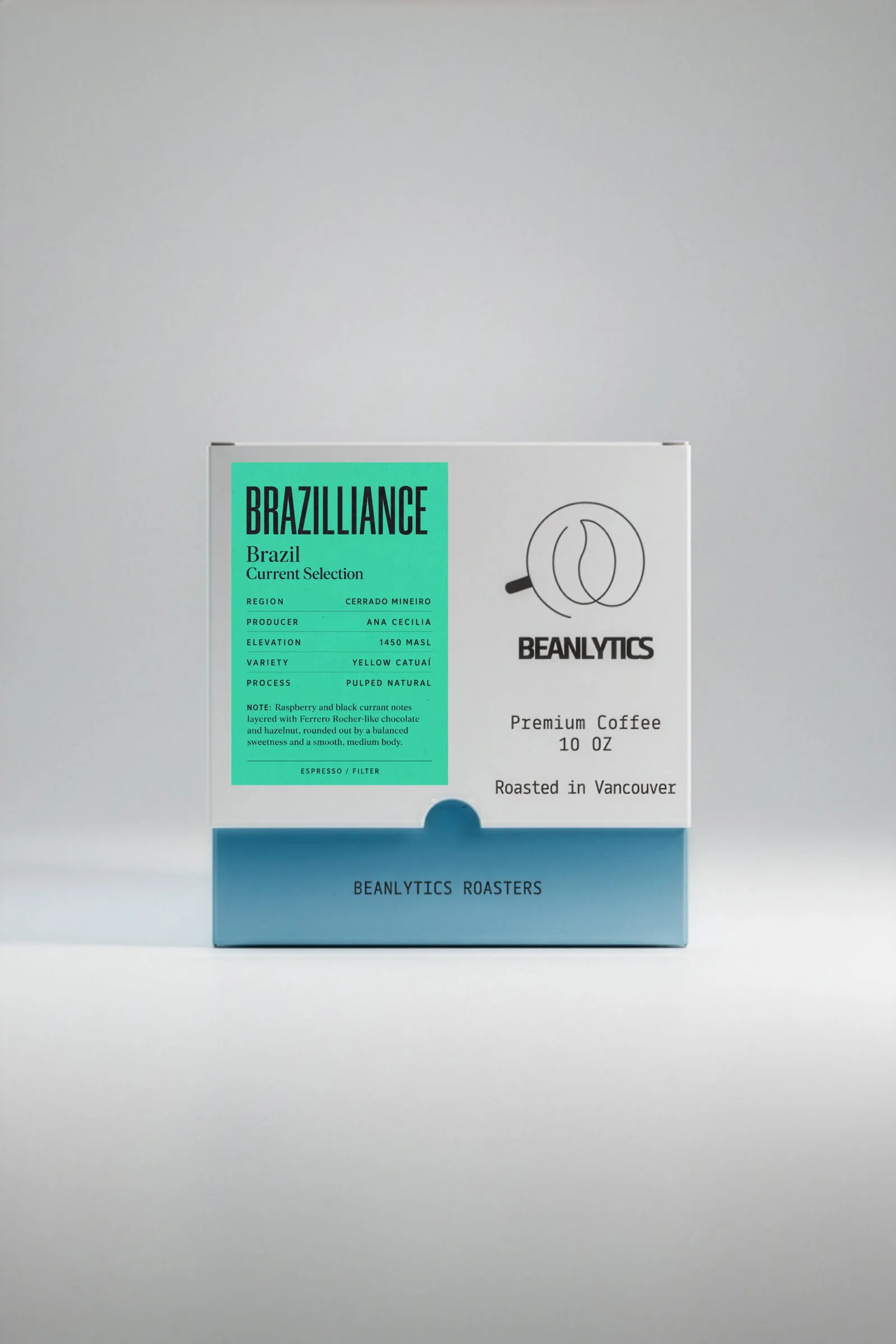
Fruity vs Chocolatey Coffee: What Makes the Difference, and Which to Buy
Fruit arrives with the green coffee. Chocolate is made in the roaster. A Richmond roaster compares the two families lot by lot and says which suits your brew.
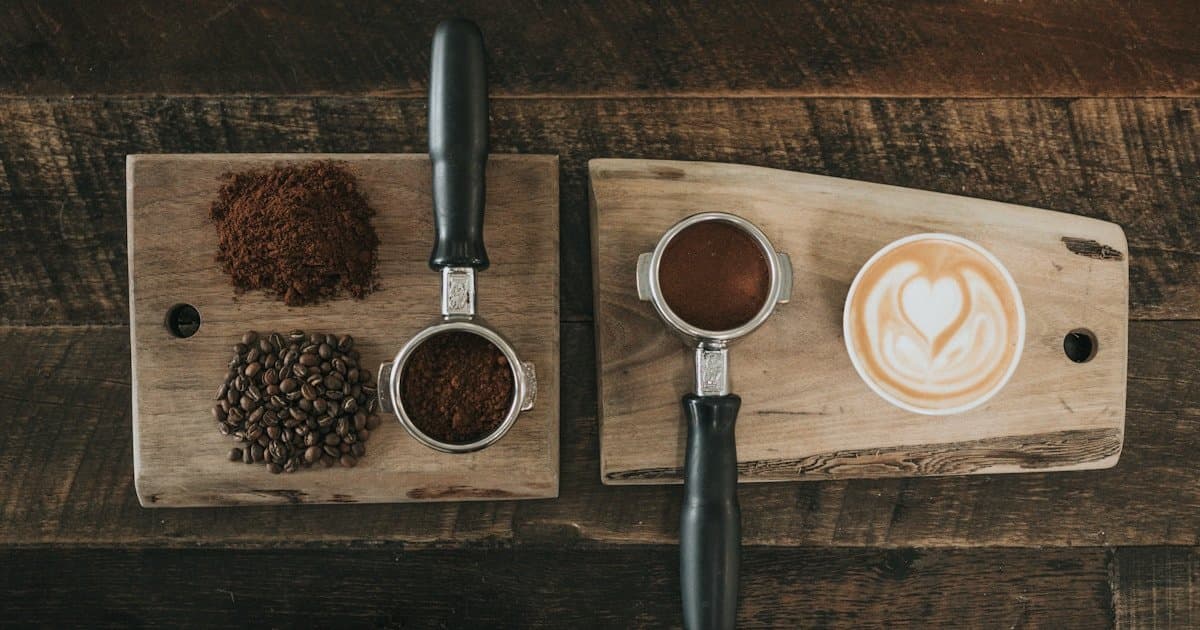
What Is Specialty Coffee? A Q Grader’s Definition
Specialty coffee is coffee graded for distinctive quality: traceable, defect-free and scored by trained tasters. A Q grader explains what the grade means.
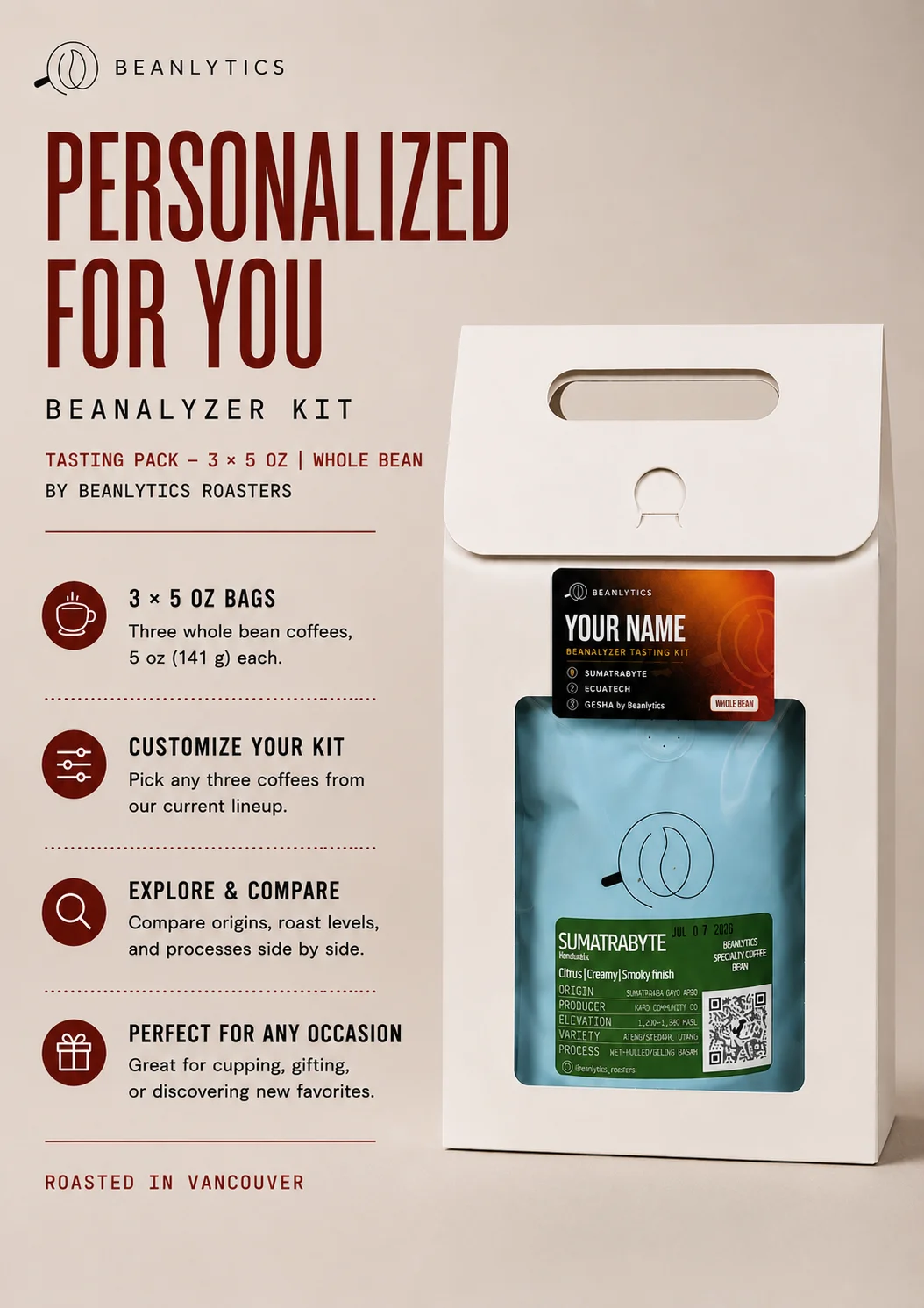
How to Choose Coffee Beans: A Roaster’s Guide for Canada
Choose coffee beans by brew method first, then flavour family, then how adventurous you feel. A Q grader’s guide for Canada, each step ending in a real lot.
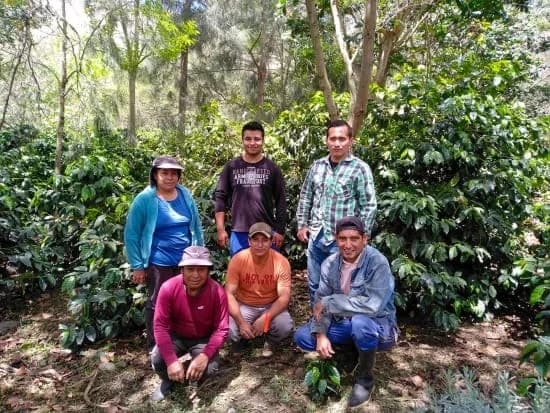
Sidra Coffee: What It Is, How It Tastes & Why It’s Prized
Sidra is one of specialty coffee’s most prized varieties. What it is, how it tastes, and the two Sidra lots we roast: washed Ecuador and anaerobic Colombia.
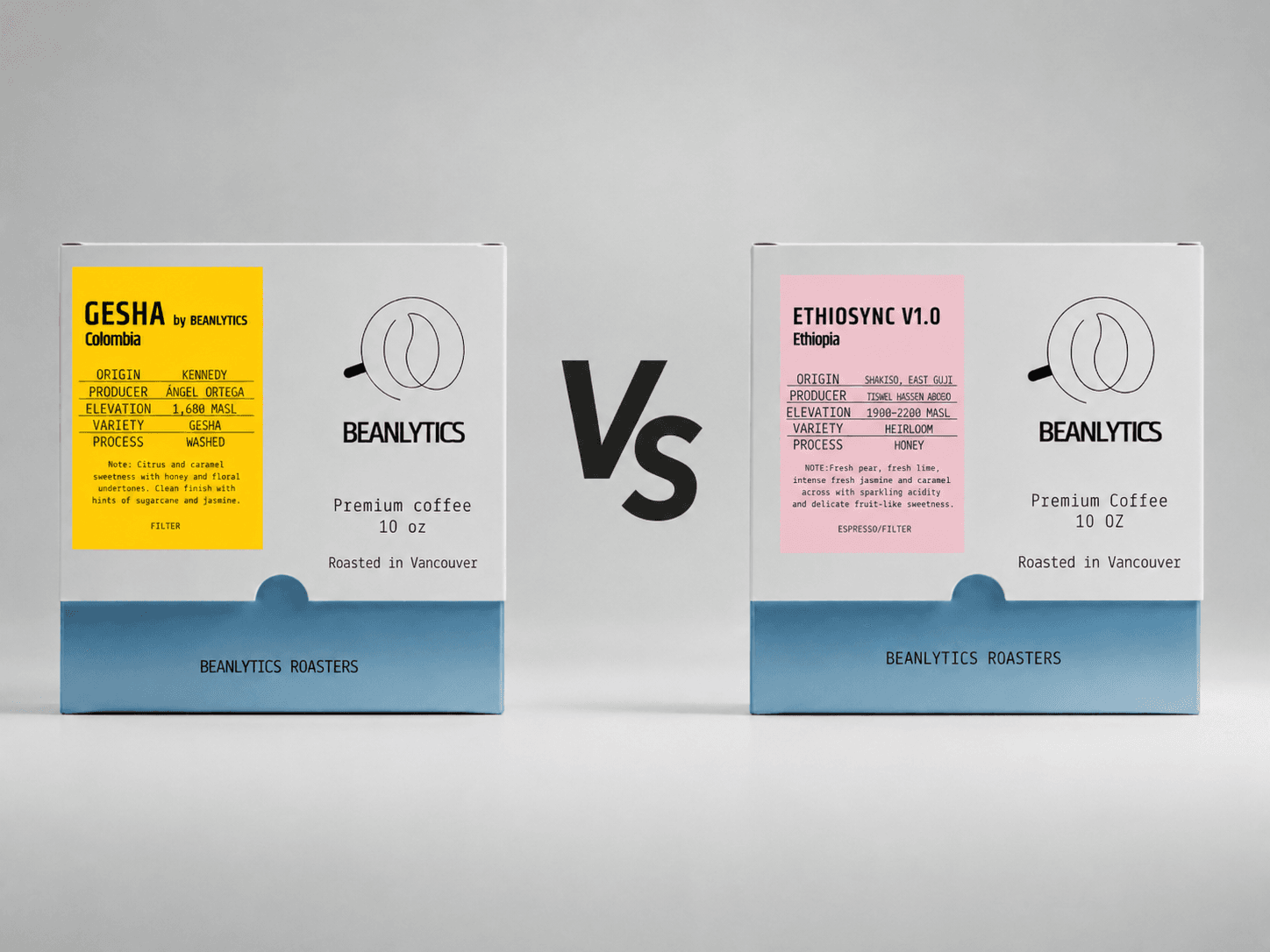
Ethiopian vs Colombian Coffee: What’s the Difference?
Ethiopian vs Colombian coffee: floral and fruit-driven vs balanced and sweet. A side-by-side on flavor, origin and processing, and which to choose for how you drink.
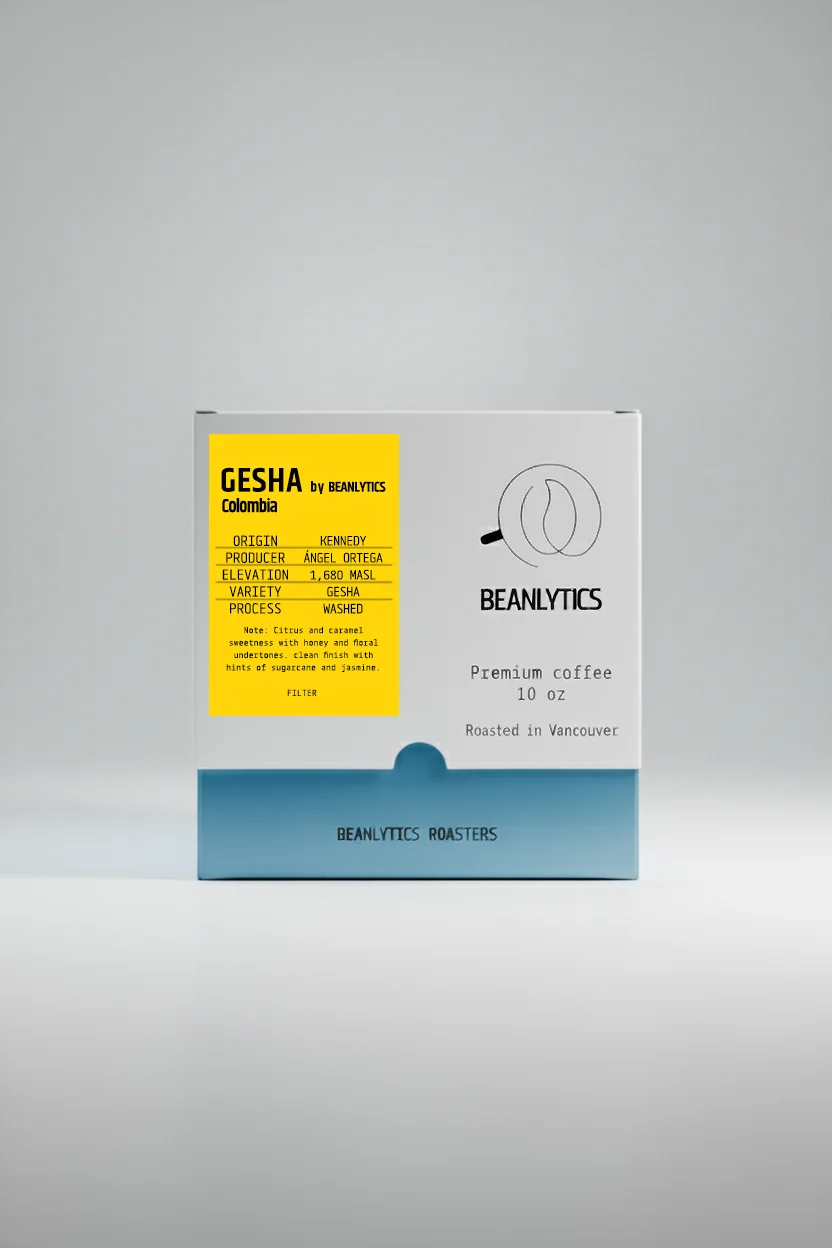
Colombian Coffee Guide: Origin, Flavor & Sourcing
Colombian coffee is more than the balanced classic. Huila’s farms grow floral Gesha, Sidra, and Pink Bourbon. Regions, varieties, flavor, and how we source it.
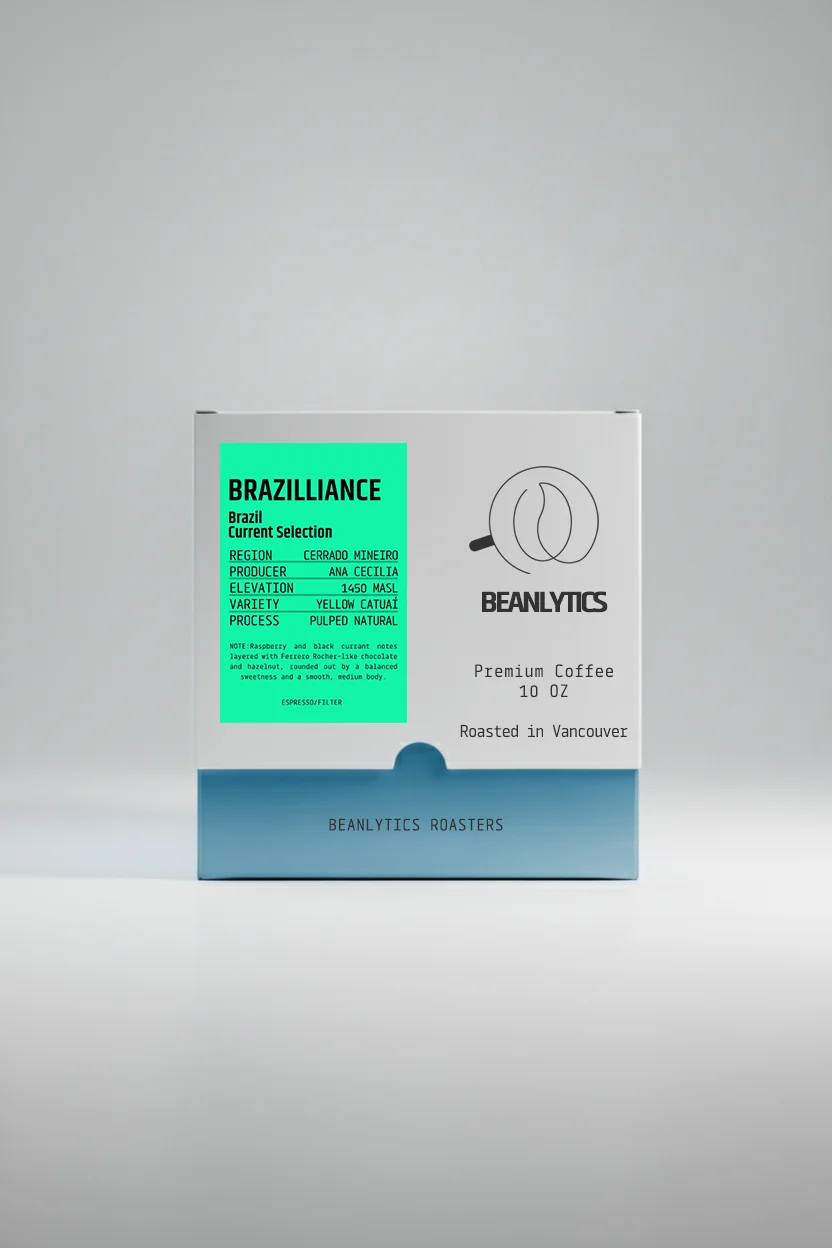
Brazilian Coffee Guide: Origin, Flavor & Sourcing
More than commodity blends: Brazilian specialty coffee tastes of chocolate, almond, and caramel. Regions, the natural process, and our Cup of Excellence estate.
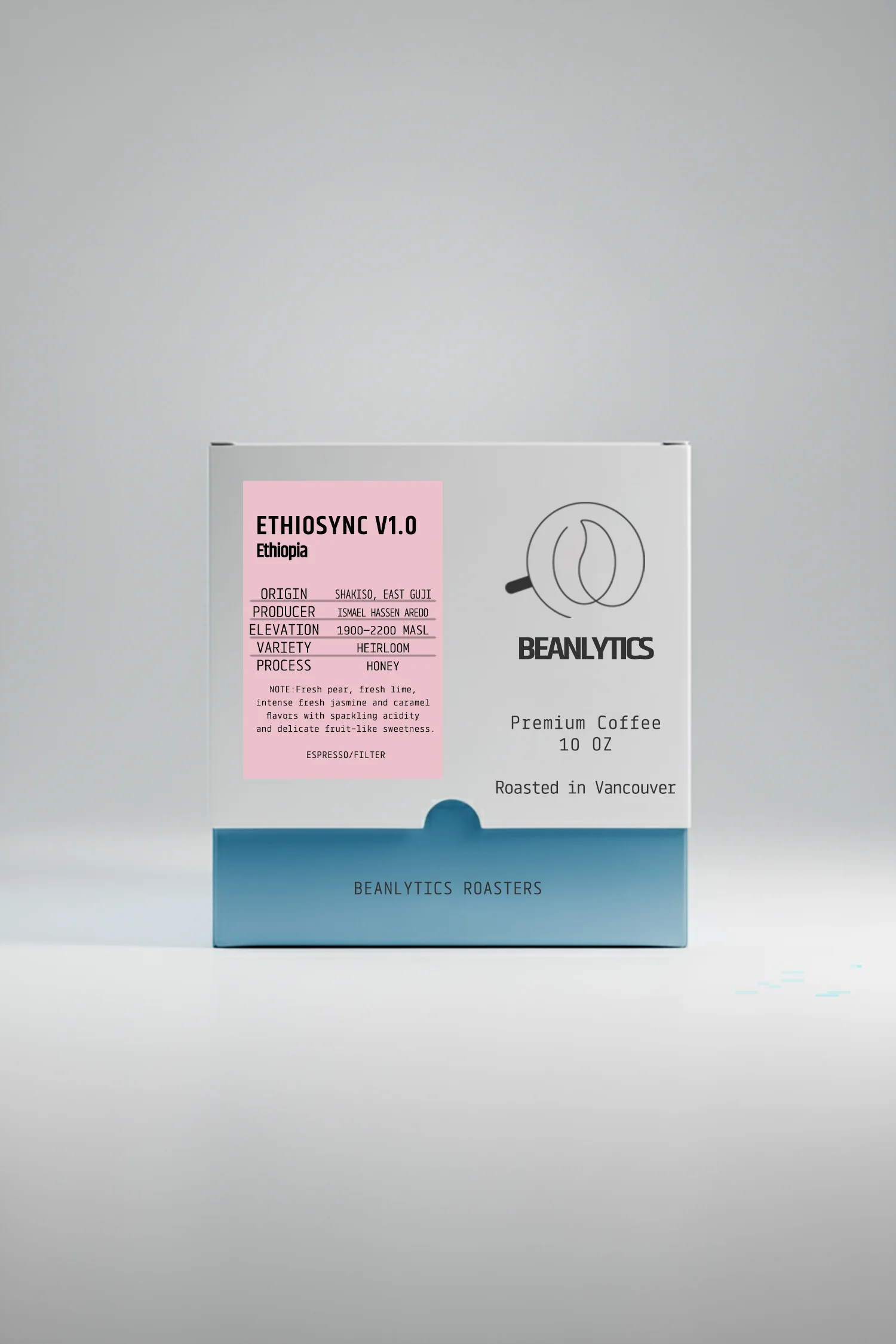
Ethiopian Coffee Guide: Origin, Flavor & Sourcing
Ethiopia is coffee’s birthplace: heirloom varieties, jasmine-and-berry cups, farms up to 2,200 m. Regions, processing, and how we source from Limmu.
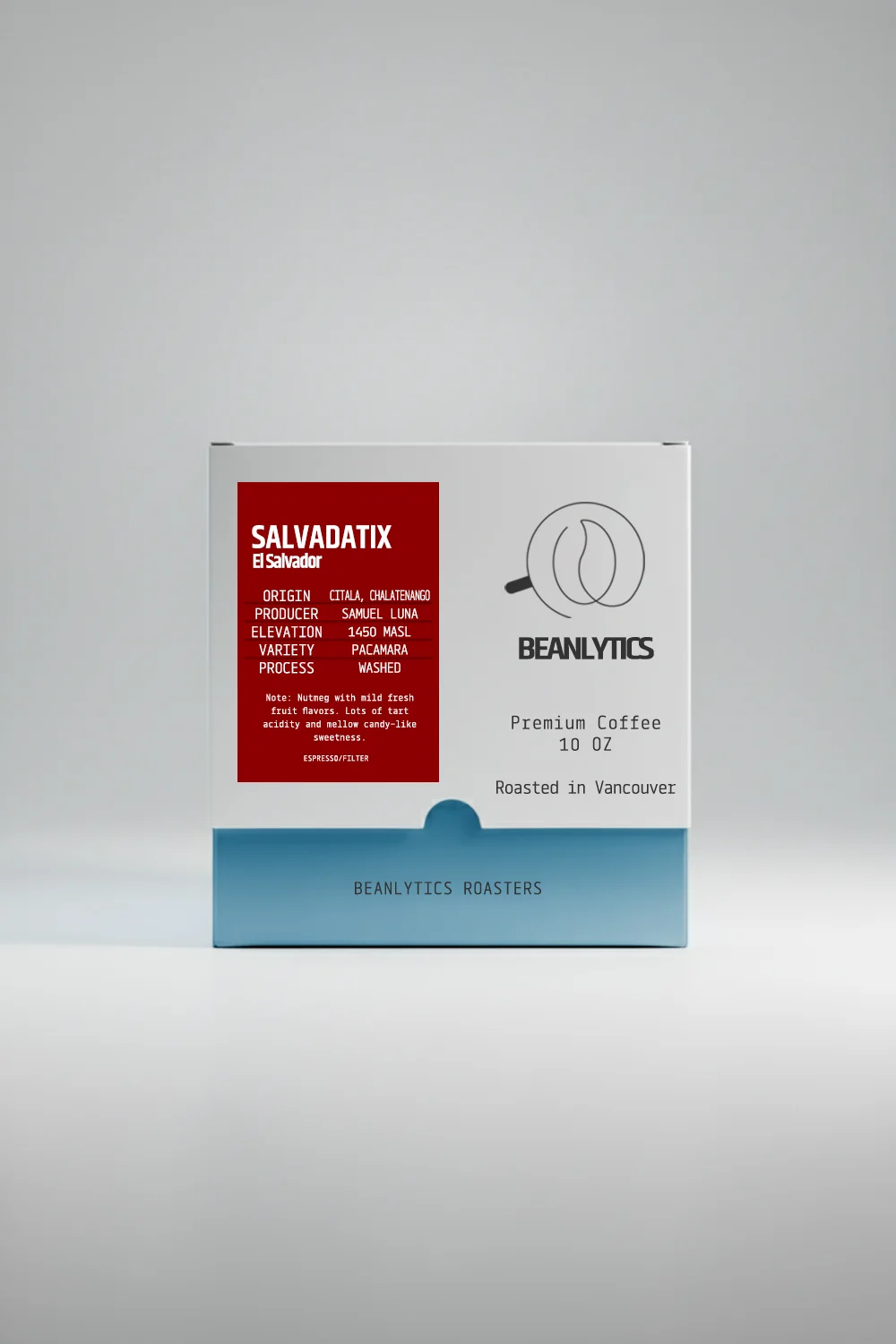
El Salvador Coffee Guide: Origin, Flavor & Sourcing
Pacamara, heirloom Bourbon, and volcanic highlands: what makes Salvadoran specialty coffee special, and how we source our washed Pacamara from Chalatenango.
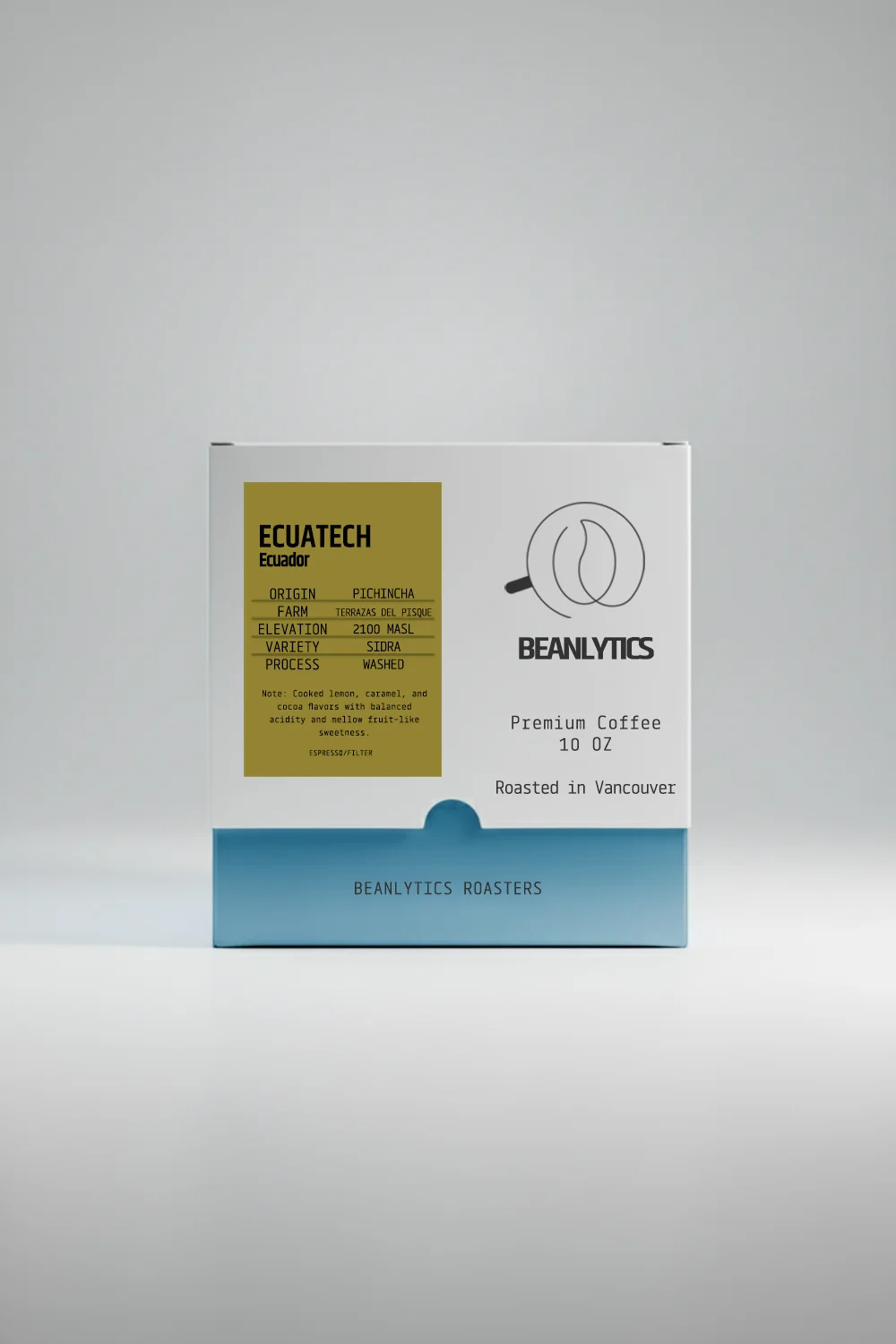
Ecuadorian Coffee Guide: Origin, Flavor & Sourcing
Why Ecuadorian coffee is specialty’s best-kept secret: regions, the Sidra variety, flavor profile, and how we source ours from 2,100 masl in Pichincha.