Varieties
Pacamara Coffee: The Variety, Its Taste and Where It Grows
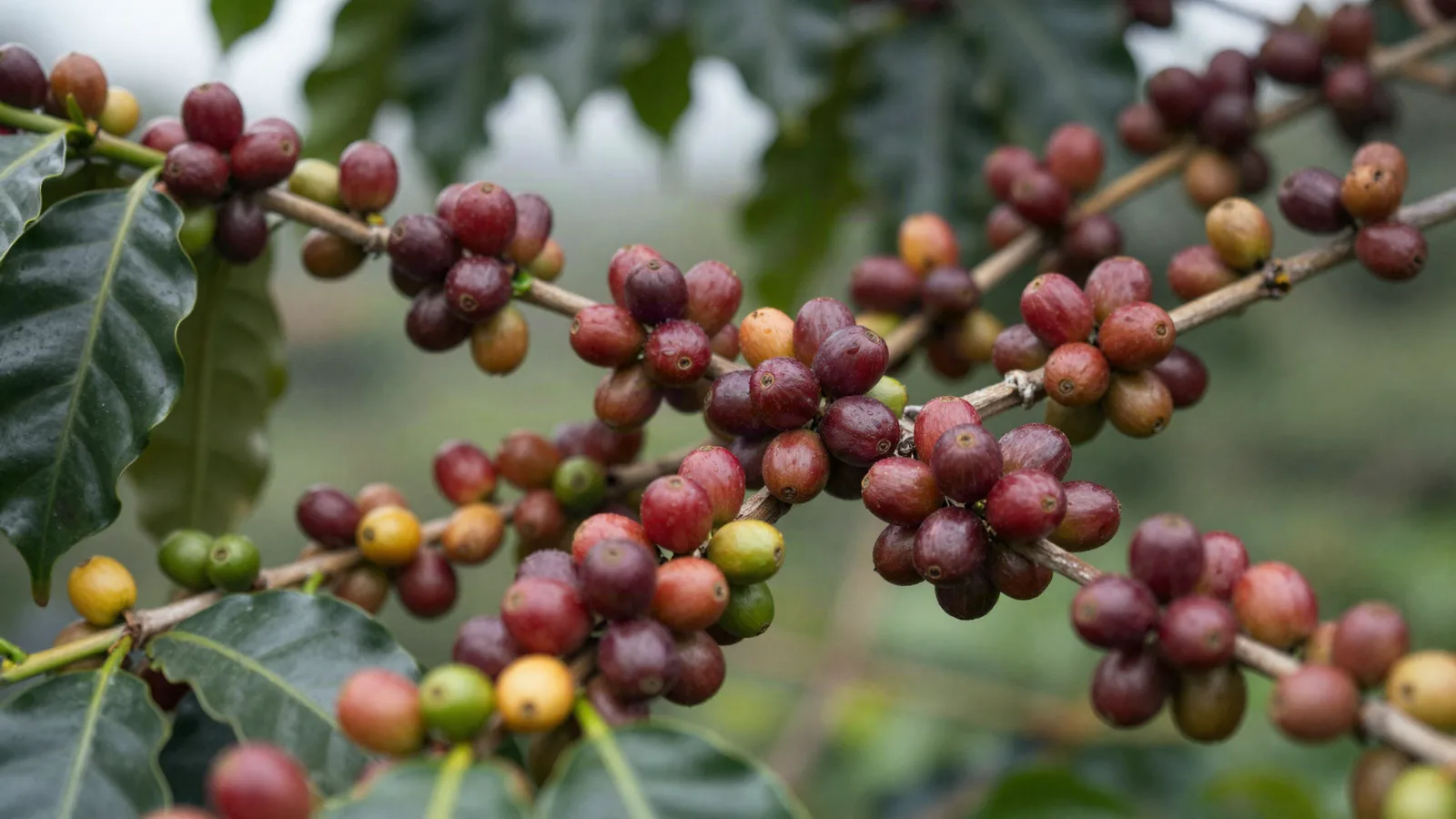
Pacamara is an Arabica coffee variety bred in El Salvador from a cross of Pacas and Maragogipe. It has very large beans and a low yield, and grown high it can make exceptional coffee, typically aromatic and creamy, with flavours from chocolate to citrus and stone fruit. Most of it still grows in El Salvador.
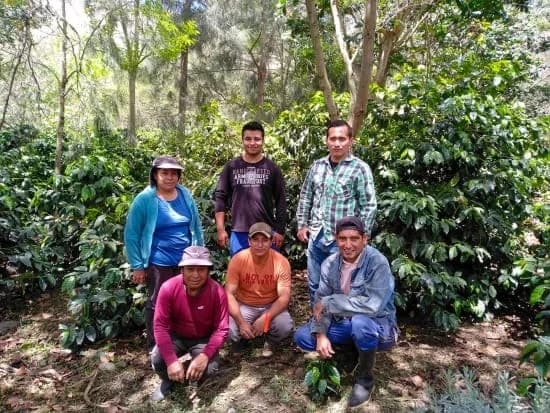
I’m the head roaster at Beanlytics in Richmond, BC, and the examples here are two washed lots we roast: a Pacamara from Finca Luna in Chalatenango, El Salvador, and a Pacas from Pulcal Farm in Antigua, Guatemala. Pacas is one of Pacamara’s two parents, so you can taste the cross and its parent side by side.
What the Pacamara variety is
World Coffee Research (WCR), a non-profit research program of the global coffee industry, publishes a catalogue of coffee varieties. It lists Pacamara’s lineage as Pacas crossed with Maragogipe, and its breeder as the Instituto Salvadoreño de Investigaciones del Café (ISIC), El Salvador’s coffee research institute. Both parents are natural mutations, Pacas of Bourbon and Maragogipe of Typica, so the catalogue places Pacamara in a genetic group related to both Bourbon and Typica. Bourbon and Typica each have a line in our overview of coffee varieties.
The breeding was never finished. World Coffee Research says ISIC carried out “an incomplete pedigree selection”, and on its Pacas page the catalogue explains pedigree selection as choosing individual plants through successive generations. It also notes that Pacamara “is not homogeneous; plants are not stable from one generation to the next.” Seed from a Pacamara tree can grow into plants that differ from it.
When it was bred
World Coffee Research gives no date for the cross. Perfect Daily Grind’s 2015 interview with Federico Bolanos, who directs coffee at Café Tuxpal and Viva Espresso with the Pacas family in El Salvador, says ISIC created Pacamara in 1958, spent about 30 years on the research and released it to producers in the late 1980s.
Its two parents: Pacas and Maragogipe
The parents are very different plants. This is how World Coffee Research rates each of them beside the cross.
| Pacas | Maragogipe | Pacamara | |
|---|---|---|---|
| Where it came from | A natural mutation of Bourbon, found in El Salvador in 1949 | A natural mutation of Typica, found near Maragogipe, Brazil, in 1870 | A cross of the two, selected by ISIC |
| Plant | Compact | Tall | Compact |
| Bean size | Average | Very large | Very large |
| Yield | Medium | Low | Low |
| Quality potential at high altitude | Good | Very good | Exceptional |
| Coffee leaf rust | Low resistance | Low resistance | Low resistance |
Pacas
Pacas is a natural mutation of Bourbon. World Coffee Research says a single-gene mutation keeps the plant small, so farmers can set trees closer together and raise more fruit from the same land. It was found in 1949 on a farm owned by the Pacas family in El Salvador’s Santa Ana region (the Perfect Daily Grind interview gives 1956), and ISIC began selecting it in 1960. WCR says it still accounts for about 25 percent of El Salvador’s coffee production.
Maragogipe
Maragogipe is a natural mutation of Typica, found near the Brazilian city of Maragogipe in 1870. WCR traces it to a single dominant gene that makes the beans, the leaves and the spacing between leaf nodes unusually large. The tree is tall and yields so little that the catalogue’s own note on it says “Pacamara is considered a better option.”
From the cross, Pacamara got the compact frame of Pacas and the very large bean of Maragogipe, and WCR rates its quality potential at altitude above both parents. The yield stayed low, like Maragogipe’s.
Growing Pacamara: the farmer’s trade-off
Pacamara is demanding to farm. World Coffee Research rates its resistance to coffee leaf rust as low; rust is a fungal disease that strips the leaves and can cause severe crop losses. WCR also calls Pacamara “highly susceptible to the Ojo de Gallo disease”, known in English as American leaf spot. Wikipedia’s entry on the fungus behind it, Mycena citricolor, says it leaves holes in coffee leaves, which then often fall. On top of that come the low yield and plants that don’t breed true.
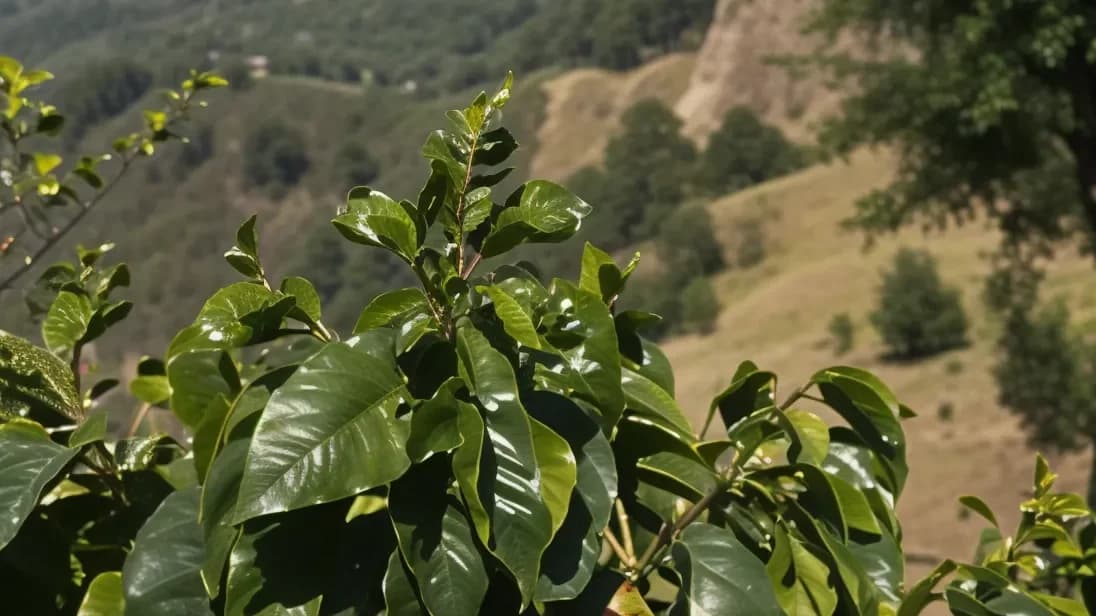
What it gives back is quality at altitude. WCR rates its quality potential at high altitude as exceptional and its optimal altitude as high, which for farms between 5 and 15 degrees north or south of the equator means above 1,300 metres. Citalá, the district in Chalatenango where Samuel Luna grows our lot, lies at about 14.4 degrees north, and Finca Luna sits at 1,450 masl, above that line.
Where Pacamara grows
World Coffee Research says Pacamara is grown primarily in El Salvador, where it frequently dominates Cup of Excellence competitions for cup quality. Cup of Excellence is a national competition run by the Alliance for Coffee Excellence: an international jury cups each coffee at least five times, the top 10 in each category score 87 or more, and the winning lots are sold at auction.
El Salvador’s 2025 results bear that out. The Alliance’s results page shows a Pacamara in first place in two of the three categories: a honey-processed lot from Santa Rosa in the washed and honey category, and an anaerobic washed lot from Las Duanas in the experimental one, both from the Alotepec-Metapán region. A Geisha won the natural category.
Our El Salvador coffee guide covers the country’s growing regions and its other varieties, mostly Bourbon and Pacas. Outside El Salvador, a similar variety called Maracaturra comes from Nicaragua; WCR says it likely arose from a natural cross of Caturra and Maragogipe and has never been stabilised.
What Pacamara tastes like
Pacamara has no single flavour, and each farm and process gives a different cup. In the Perfect Daily Grind interview, Federico Bolanos describes Pacamaras as usually having complex, intense aromas, a medium to dense body with a creamy texture, and elegant acidity. In Bolanos’s account, their flavours swing from chocolate and butterscotch to citrus, red berries and stone fruit.
Our Finca Luna lot is a washed coffee, and its notes are nutmeg with mild fresh fruit, lots of tart acidity and a mellow, candy-like sweetness. Nutmeg leads our notes, and it isn’t on Bolanos’s list: one lot can land well outside the usual range.
Pacamara and its parent, side by side
Because we roast both a Pacamara and a Pacas, you can taste the cross and one of its parents in the same week.
| Pacamara | Pacas | |
|---|---|---|
| Farm | Finca Luna | Pulcal Farm |
| Producer | Samuel Luna | Maria Zelaya Aguirre |
| Region | Citalá, Chalatenango, El Salvador | Antigua, Guatemala |
| Altitude | 1,450 masl | 1,750 masl |
| Process | Washed | Washed |
| Tasting notes | Nutmeg with mild fresh fruit, lots of tart acidity, mellow candy-like sweetness | Plum, white chocolate, brown sugar, pecan richness and balanced lime citrus |
| Roasted for | Espresso, filter, pour-over, French press, drip and cold brew | Espresso |
Both are washed, so processing doesn’t separate them. Plenty else does: they grow in different countries and on different farms, and the Pacas grows 300 metres higher. So the two cups can’t isolate what Maragogipe added; they show how far apart a cross and its parent can land once farm and altitude come into it. The Pacas grows higher, but WCR rates the quality potential of Pacas at altitude as good, two grades below Pacamara’s exceptional.
On paper, the Pacas is the rounder, dessert-like cup: plum, white chocolate, brown sugar and pecan, with lime for balance. The Pacamara leads with spice and a sharper acidity, nutmeg over mild fresh fruit, and its sweetness reads like candy.
How to taste them together
Brew both as espresso, the one method both lots are roasted for; the Pacas is roasted for espresso only. Start each at our usual 18 g in and 36 g out, and change only the grind until each shot tastes balanced. Our coffee-to-water ratio guide explains the numbers. Before grinding, set a few beans of each side by side: World Coffee Research rates the Pacas bean average and the Pacamara bean very large, so size is the first difference to look for. Once you’ve compared the shots, brew the Pacamara as a pour-over too.
Questions people ask
What does Pacamara mean?
The name joins the two parents. The Perfect Daily Grind interview says it was named “in reference to the first four letters of each parent varietal”: PACA from Pacas and MARA from Maragogipe.
Where is Pacamara coffee from?
El Salvador. ISIC, the Salvadoran coffee research institute, bred it there from Pacas, a mutation found in El Salvador, and Maragogipe, found in Brazil. World Coffee Research says it is still grown primarily in El Salvador.
What does Pacamara coffee taste like?
It depends on the lot. Federico Bolanos describes intense aromas, a creamy body and flavours from chocolate and butterscotch to citrus, red berries and stone fruit. Our washed lot from Finca Luna tastes of nutmeg and mild fresh fruit, with tart acidity and a candy-like sweetness.
Why are Pacamara beans so big?
The size comes from Maragogipe. World Coffee Research traces Maragogipe’s oversized beans, leaves and leaf spacing to a single dominant gene, and rates the beans of both Maragogipe and Pacamara very large, against average for Pacas. Its yardstick for a merely large bean is SL28, the Kenyan variety in our SL28 coffee guide.
Pacamara vs Geisha: how do they compare?
They have similar reputations and different genetics. World Coffee Research lists Panamanian Geisha as an Ethiopian landrace with a tall plant, average-sized beans and intermediate resistance to leaf rust, known for “delicate floral, jasmine, and peach-like aromas”. Pacamara is a compact Salvadoran cross with very large beans and low rust resistance. WCR rates both low yielding with exceptional quality potential at altitude, and they meet in competition: a Geisha won the natural category of El Salvador’s 2025 Cup of Excellence.
Our Pacamara from Finca Luna is with the rest of our El Salvador coffees, roasted to order in small batches in Richmond, BC and shipped across Canada.