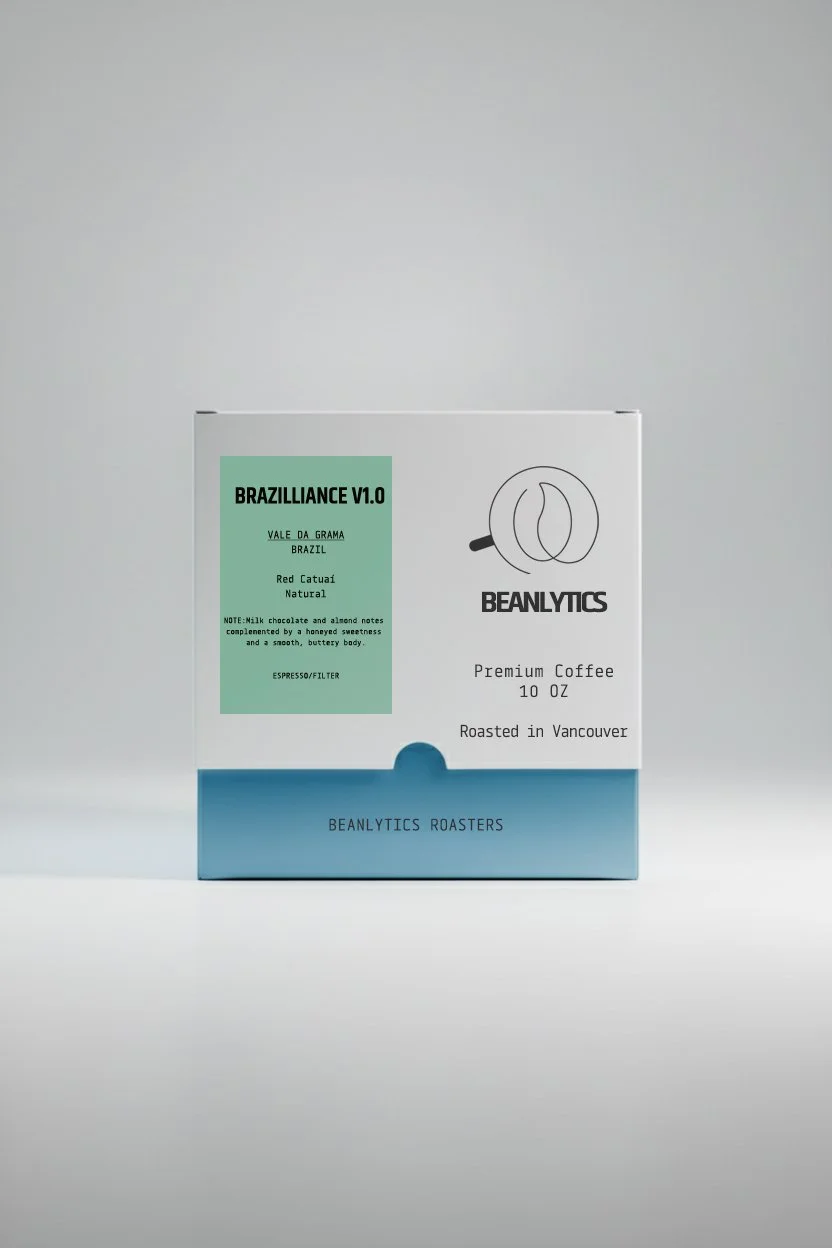
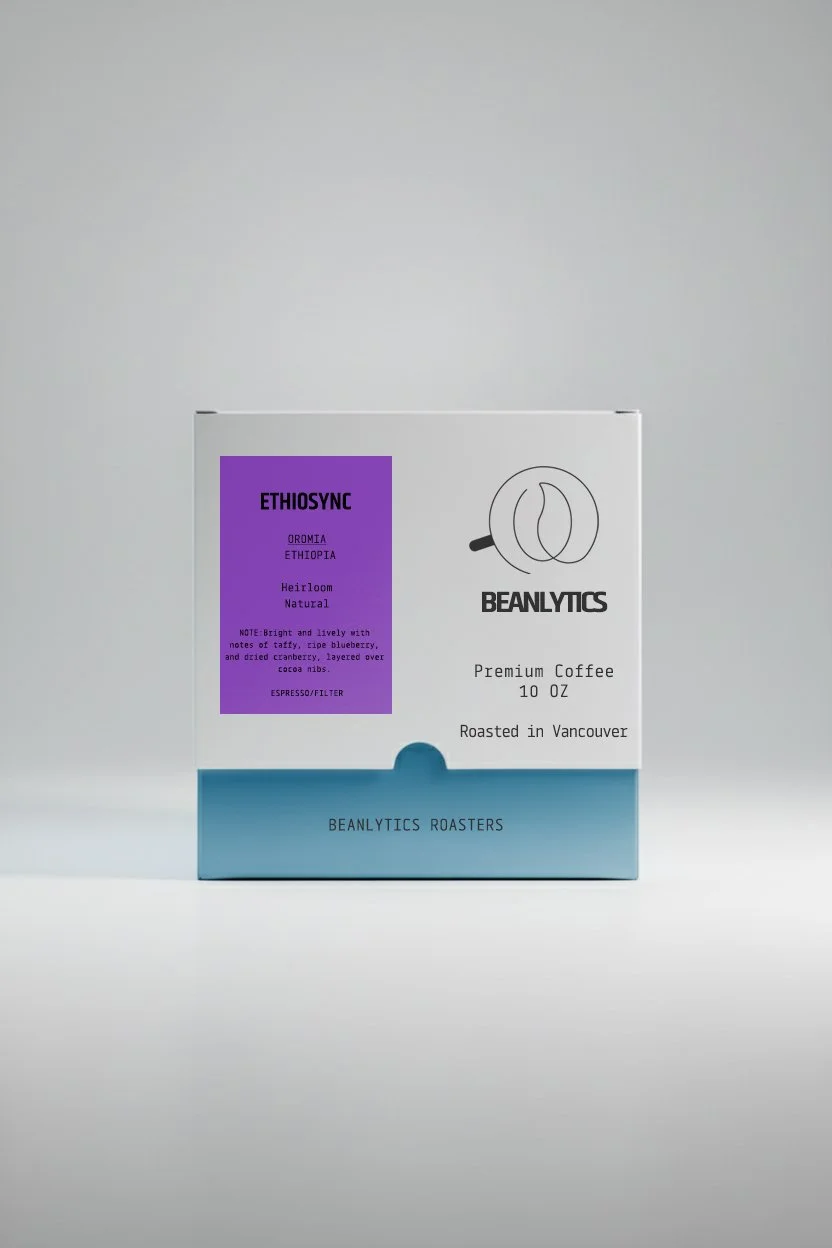
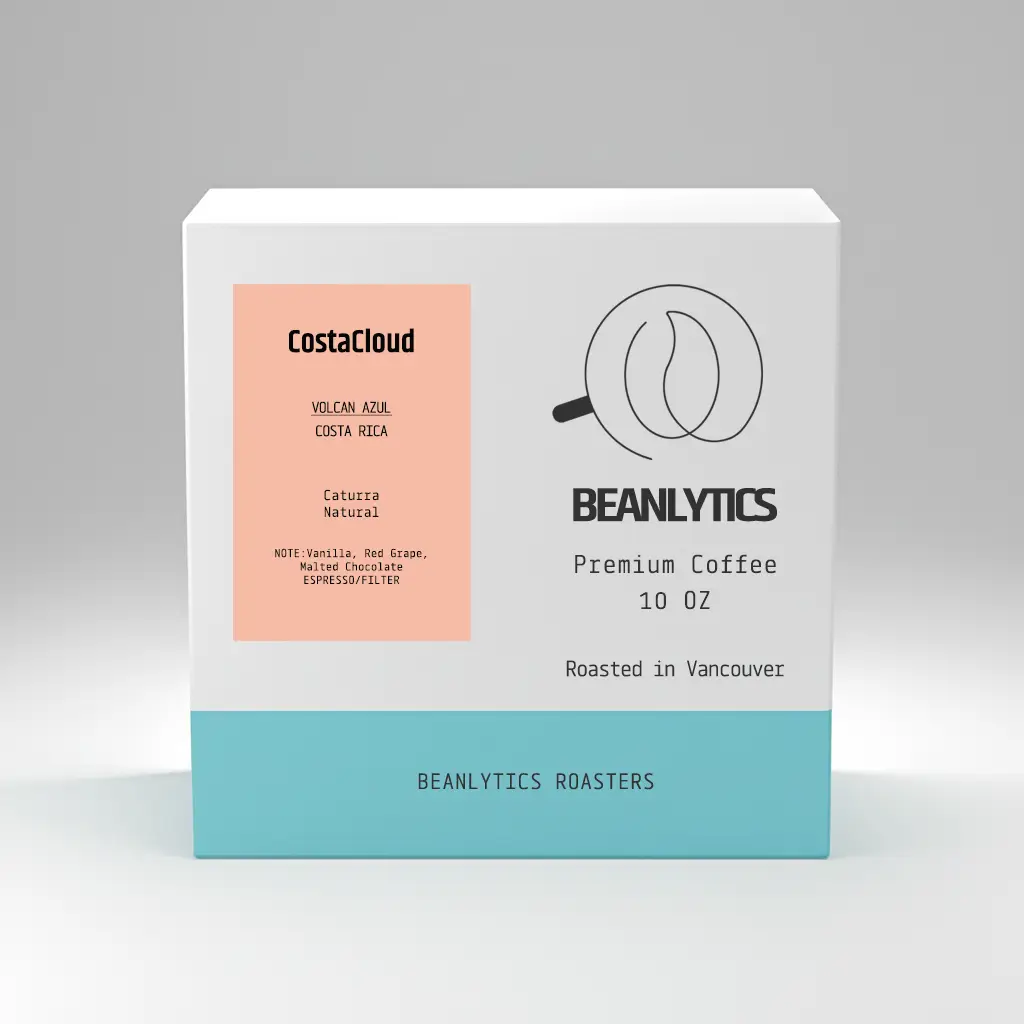
Past lots
Sold out, and kept here because the sourcing record is the point — these are lots we have actually roasted this way.
Free delivery in Metro Vancouver · Free shipping over $50
Processing method
A natural is dried whole, fruit still on, so the seed spends weeks inside its own sugar instead of hours. That is the entire difference, and it is enough to move a coffee from citrus to blueberry and from tea-like to syrupy — the same seed, the same farm, a different drying decision.
The cherry goes to the beds intact and loses moisture slowly, over weeks, while the seed sits inside fermenting fruit the whole time. What comes out is heavier in the mouth, sweeter, and far more fruit-forward. The usual explanation, that the fruit's sugar soaks into the seed, does not hold up: research finds little if any of it crosses over. The berry, stone-fruit and rum character most likely comes from what happens inside the seed during that long, slow dry, and nothing is added. It is also the least forgiving process: a bed turned too rarely ferments unevenly, which is why the good ones cost what they cost.
Fazenda Recreio in Vale da Grama, Brazil, at 1,290 masl, Red Catuai, sun-dried on the farm — the lowest-altitude lot we carry and the most straightforwardly sweet. A Guji lot from the Oromia region of Ethiopia, heirloom varieties, where natural processing is the regional default rather than a choice. And Volcán Azul in Costa Rica's West Valley at 1,500-1,700 masl, Caturra, which came out tasting of vanilla, red grape and malted chocolate. Three continents, a 400-metre altitude spread, and the same drying decision in each.
The three sit on one line, and it is a line of how much of its own fruit the seed dries with. Washed removes the fruit before drying. Honey leaves some of the sticky mucilage on through a drying that takes anywhere from a few days to a few weeks. Natural leaves the whole cherry on and usually dries longest. Sweetness and body climb along that line; clarity and acidity fall. None is better — a Gesha bought for its florals is wasted as a natural, and a Catuai bought for sweetness is wasted as a washed.
The heavier body and lower acidity make naturals forgiving on immersion methods — a French press or an AeroPress with a longer steep leans into what the process already did. On pour-over, go slightly coarser than you would for a washed coffee of the same roast: the extra soluble sugar extracts fast, and grinding fine enough for a washed lot will tip a natural into something muddled.
The Guji lot's natural processing is recorded in our Ethiopia origin notes and the Costa Rican's in its own product copy. Both are listed here on that record.
Sold out, and kept here because the sourcing record is the point — these are lots we have actually roasted this way.
Get fresh-roasted Natural process coffee delivered on your schedule. Skip or cancel anytime.