Coffee 101
What Is Specialty Coffee? A Q Grader’s Definition
Specialty coffee is coffee whose quality has been measured and found distinctive: traceable to a known farm or lot, free of the defects that disqualify commodity coffee, and scored by trained tasters. For years the working threshold was a cupping score of 80 or more out of 100 on the Specialty Coffee Association’s form.
I grade green coffee for a living, as the founder and certified Q grader at Beanlytics in Richmond, BC, so this is the definition as it is used at the cupping table rather than as it appears on a bag.
The definition, and how it has changed
The 80-point rule is the version most people know. A panel cups the coffee, scores it on a standard form, and anything at 80 or above is specialty grade. Trading, contracts and most roasters’ buying still lean on that number, and it is the one you will see quoted almost everywhere.
The Specialty Coffee Association now defines the term more broadly. Its current definition calls specialty coffee “a coffee or coffee experience recognized for its distinctive attributes, and because of these attributes, it has significant extra value in the marketplace.” The score did not disappear. The point of the newer wording is that a single number never told you what the coffee was like, only that it cleared a bar.
That is why the SCA’s Coffee Value Assessment, the cupping method we use, separates what a taster measures from what a taster likes. A coffee is described first and rated second.
What a cupping actually measures
A cupping is a structured tasting. The same coffee is brewed in several identical cups, tasted blind, and scored attribute by attribute. These are the attributes on the form and what each one is checking.
- Fragrance and aroma. The smell of the dry grounds, then of the wet crust.
- Flavour clarity. Whether the flavours are distinct and identifiable, or muddy.
- Sweetness. The natural sweetness of ripe, well-processed fruit, not added sugar.
- Acidity. Brightness and liveliness, judged for quality rather than sourness.
- Body. The weight and texture of the coffee in the mouth.
- Balance. Whether sweetness, acidity, body and flavour sit together.
- Aftertaste. What stays after you swallow, and for how long.
- Uniformity and clean cup. Every cup of the same coffee tastes the same, with no defect flavours.
- Overall. The taster’s assessment of the coffee as a whole.
A defect in one cup, a mouldy or fermented note for instance, can sink a lot on its own. That is the part of the grade a bag never shows you, and the part that separates specialty from everything else.
Who does the grading
A Q grader is a taster certified to score coffee consistently against a shared standard, tested on sensory skills and cupping calibration so that a score from one grader means the same as a score from another. The certification is the reason a number on a cupping form is worth anything to a buyer in Richmond looking at a lot in Huila.
How we grade a coffee before we buy it
Every coffee on our shelf went through the same four steps, described in full on our roasting page.
- Lot review. Producer, processing method, harvest, altitude, variety, moisture content, density and water activity are checked before a sample is roasted.
- Physical grading. The green coffee is inspected for defects against the SCA’s Green Coffee Standards.
- Sample roasting. Samples get a roast profile built for that coffee’s density, moisture and process, not a single default roast.
- Blind cupping. Structured sessions following SCA protocol, repeated across several sessions before any purchase.
We do not buy on a score alone. A lot makes the lineup when it shows distinct origin character, transparent processing, and enough potential for both filter and espresso, confirmed across more than one cupping.
Specialty versus commodity coffee
| Specialty coffee | Commodity coffee | |
|---|---|---|
| Traceability | Named farm, cooperative or lot | Blended by country and grade |
| Defects | Graded out before purchase | Allowed within a tolerance |
| How it is judged | Cupped and scored by attribute | Sorted by size, density and defect count |
| What the bag tells you | Origin, process, variety, altitude, roast date | Roast level and a best-before date |
| Why it costs more | Paid for cup quality and scarcity | Priced off the commodity market |
How to recognise specialty coffee on a bag
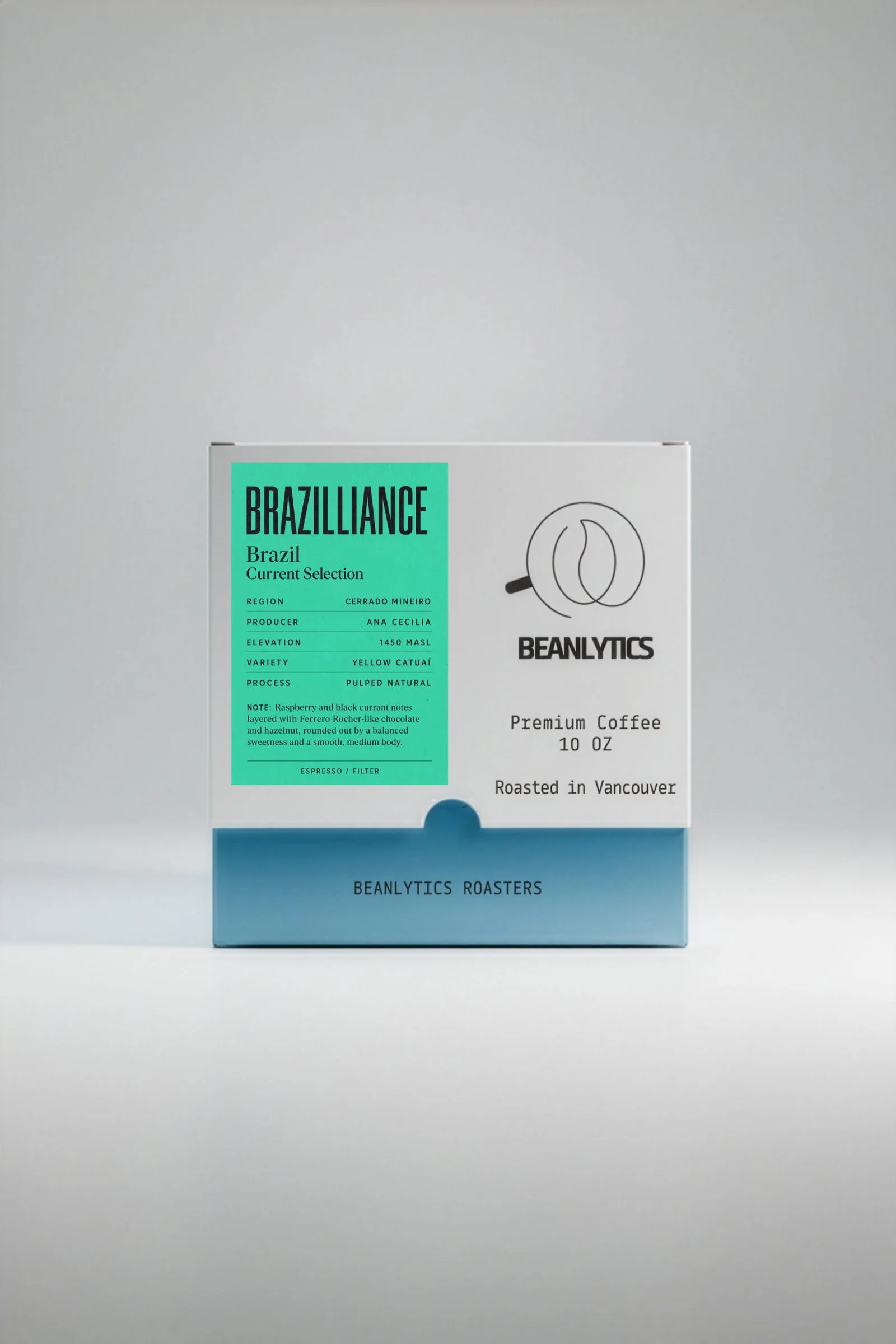
The score is rarely printed, so read for the things a graded coffee makes possible. A specialty bag names where the coffee grew, ideally down to the farm; how it was processed; the variety; the altitude; and the day it was roasted. A bag that offers only a roast level and “100% arabica” is not telling you it is specialty, whatever the price.
Once you know it is specialty, the useful question is which one suits you, and that comes down to how you brew and what you like. How to choose coffee beans walks through it step by step.
Questions people ask
What is considered specialty coffee?
Coffee that has been graded for quality and found distinctive: traceable, free of primary defects, and scored by trained tasters. Under the long-standing rule that means 80 points or more out of 100 on the SCA cupping form; under the SCA’s current definition it means coffee recognised for its distinctive attributes and valued for them.
What is the difference between regular coffee and specialty coffee?
Regular coffee is traded by grade and blended for consistency, with a tolerance for defects. Specialty coffee is bought lot by lot on the strength of a cupping, with the defects graded out and the origin kept visible all the way to the bag.
Is specialty coffee always a light roast?
No. The grade describes the green coffee, not the roast. We roast every lot as an omniroast, so the same specialty coffee works as espresso and as filter, and how dark it goes is the roaster’s decision, not part of the definition.
Does a higher score mean I will like it more?
Not necessarily. The score says the coffee is clean, distinct and well made. Whether you prefer a bright Ethiopian or a chocolatey Brazilian is taste, and both can score the same.