Coffee 101
Espresso Beans vs Coffee Beans: What’s the Difference?
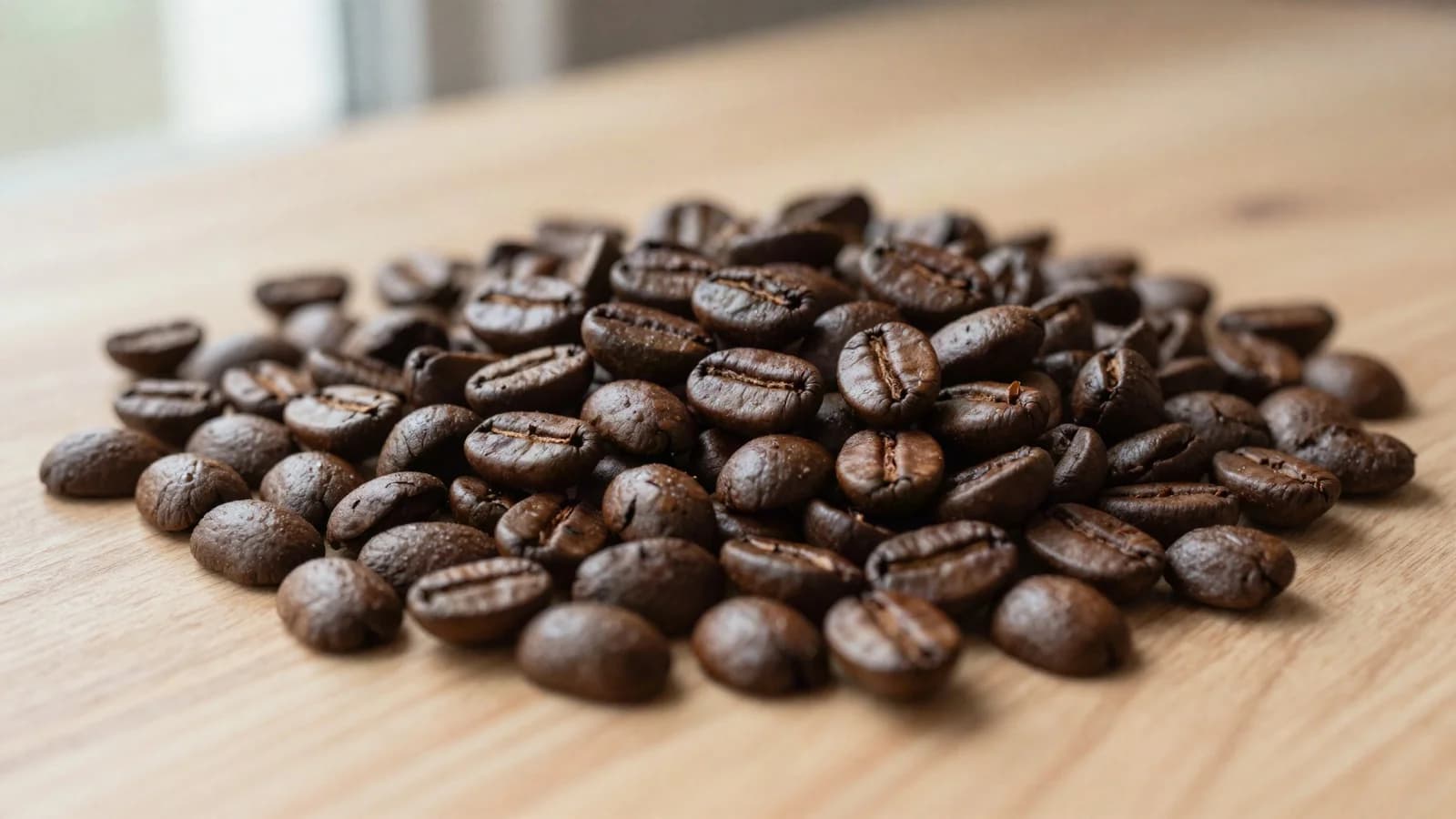
Espresso beans and coffee beans are the same: the roasted seed of the coffee cherry. Espresso is a way of brewing, not a kind of bean. A bag labelled espresso is usually a darker roast or a blend meant for shots. Many of our coffees are roasted to work both ways, and each coffee’s page says which methods it suits.
I’m the head roaster at Beanlytics in Richmond, BC, where every coffee is roasted to order. A few things do differ between a bag sold for espresso and a bag sold for filter, and none of them is the bean.
Espresso beans vs coffee beans at a glance
| Sold as “espresso beans” | Sold as “coffee beans” | |
|---|---|---|
| What the bean is | The roasted seed of the coffee cherry | The same |
| Typical roast | Medium-dark to dark | Anywhere from light to dark |
| Grind | Fine | Medium for pour-over and drip, coarse for French press |
| How it’s brewed | Hot water forced through under high pressure in about half a minute | Water flows through or steeps for several minutes |
| What you get | A small, concentrated shot | A full cup |
| Taste | Heavier body, more intense | Lighter body, clearer acidity |
| Caffeine | More per sip | Usually more per serving |
| At Beanlytics | Coffees marked for espresso, whole bean or ground fine | Coffees marked for filter, whole bean or ground for your brewer |
Are espresso beans and coffee beans the same?
Yes. There is no espresso plant or espresso variety. Any coffee bean can be brewed as espresso, and any bean sold as espresso can be brewed as filter.
What coffee beans are
A coffee bean is the seed inside the coffee cherry, separated from the fruit, dried and then roasted. Its flavour comes from where it grew, its variety, how it was processed and how it was roasted. Almost all specialty coffee is Arabica. Robusta, the other main species, is more bitter and carries more caffeine, and some Italian-style espresso blends include it for a thicker crema.
What the word espresso on a bag means
When a roaster prints espresso on a bag, it usually means an espresso roast, taken darker so it extracts easily and tastes rich under pressure. Sometimes it means an espresso blend, two or more coffees mixed for body and sweetness in milk. Sometimes it is simply a word that sells. None of these changes the bean itself.
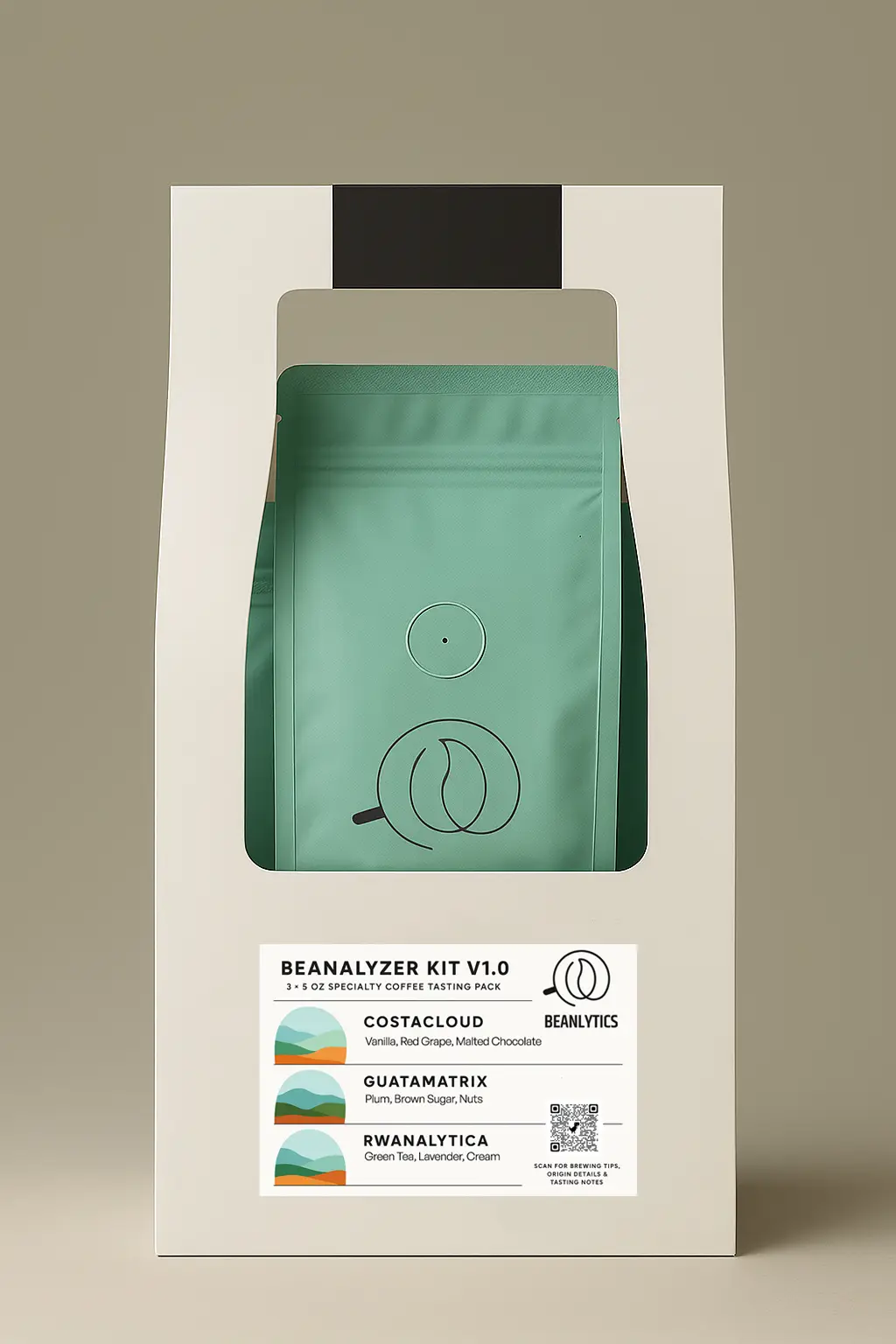
On our shelf the label is more specific. Each coffee’s page lists the brew methods I roast it for. Many are omniroast, developed to taste right as espresso and as filter, so one bag can be your morning pour-over and your afternoon shot. Others are roasted with one method in mind: our Kenya Nyeri Karindundu is marked for filter, pour-over, French press and drip, and our Guatemala Antigua Pacas for espresso.
Roast level: the one real difference
Roast is where espresso and filter bags usually part ways. The further a roast goes, the more the coffee tastes of the roast itself, caramel and chocolate and eventually smoke, and the less it tastes of where it grew.
We measure this instead of judging it by eye: every batch has its whole-bean colour read on the Agtron scale with a LeBrew Coffee Roast Analyzer, and its weight loss measured, to check it against its target range. The full routine is on our roasting and quality page.
Why espresso roasts run darker
An espresso machine has about half a minute to pull flavour out of the coffee. A darker roast gives up its flavour faster, so it is easier to get a sweet, heavy shot from it, and its lower acidity sits more gently in milk. Darker roasts also push oil to the surface of the bean, which is the shine you see on many espresso bags. The shine shows how far the roast went, not how good the coffee is.
Light roasts as espresso
Dark espresso was the default for decades. Specialty cafés now pull lighter coffees too, and the shot tastes completely different: berry, citrus or flowers instead of chocolate. Light roasts are harder to extract, so they need a finer grind, steady hot water and fresh beans, and they can taste sharp in milk. As a straight shot, a bright coffee from our fruity and floral range shows where it grew far more clearly than a dark roast can.
Can you make espresso with any coffee beans?
Yes. Any bean, ground fine and pushed through an espresso machine, makes espresso. Whether you like the result depends on the roast and on how you dial the shot in. A lighter coffee can taste sour if the shot runs too fast. A very dark one can taste bitter and burnt.
The fix is usually the grind. If a shot tastes sour or thin, grind finer to slow it down and add body. If it tastes bitter or dry, grind coarser to speed it up and brighten it. Change one thing at a time.
Many people believe only espresso beans make crema. They don’t. Crema is mostly carbon dioxide from freshly roasted coffee, trapped in the coffee’s oils as the shot is pressed out. Beans more than about six weeks past their roast date lose most of their crema and sweetness, whatever the roast.
How espresso brewing changes the cup
Pressure, time and a concentrated shot
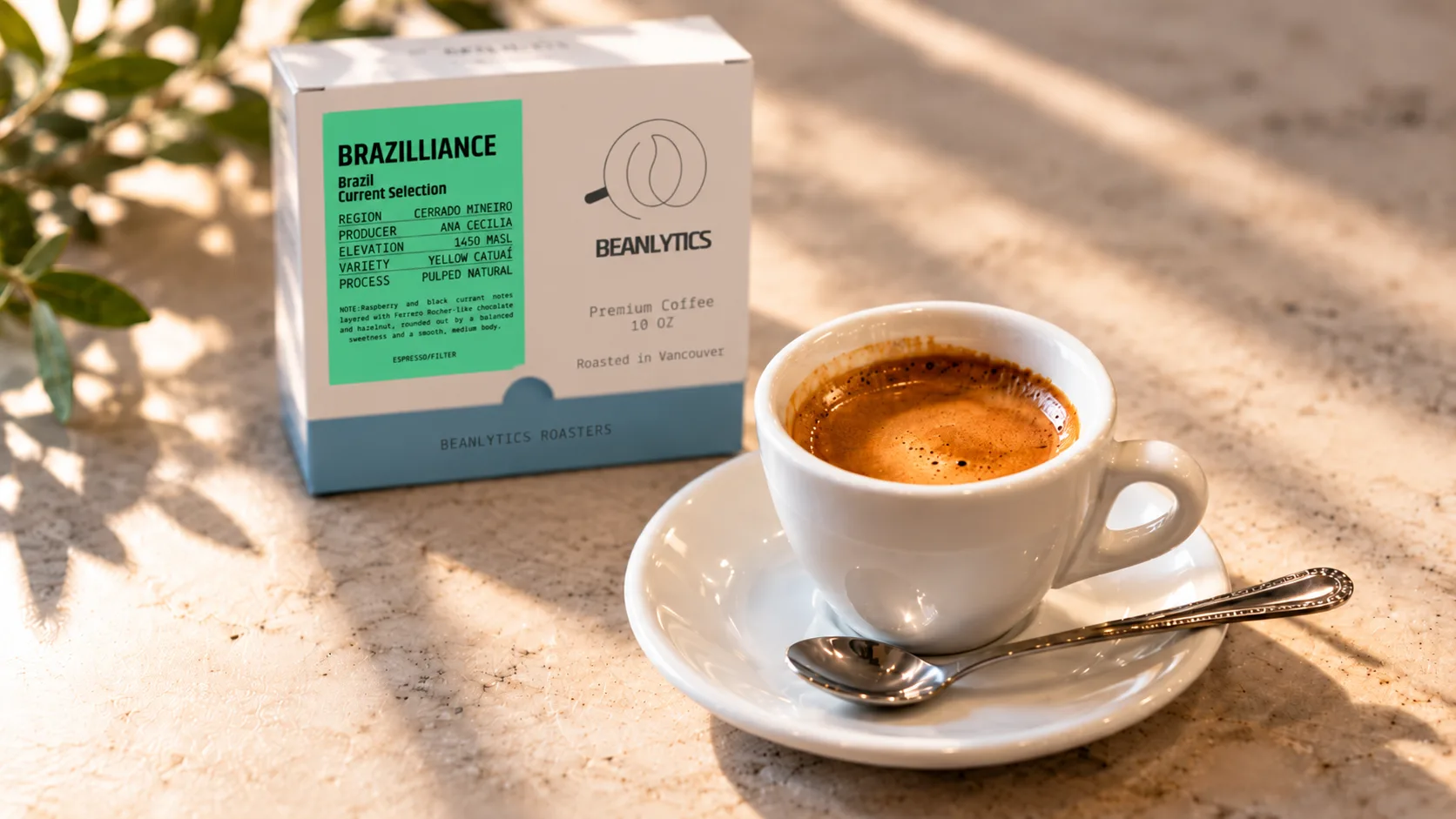
Espresso forces hot water through a tightly packed puck of finely ground coffee at high pressure. A traditional single shot is about 25 to 35 ml, pulled in roughly 20 to 30 seconds. Our starting recipe is a 1:2 ratio, 18 g of coffee in and 36 g of espresso out, in 25 to 30 seconds at about 93°C. Pour-over and drip let gravity do the work over several minutes, at around 1:16; our coffee-to-water ratio guide covers both. A moka pot (a stovetop brewer driven by steam) and an AeroPress (a hand-pressed plunger) make strong, espresso-like coffee from a fine grind, though neither reaches an espresso machine’s pressure.
Grind size: the change you control
The same beans need a different grind for each method: fine for espresso, medium for pour-over and drip (about like coarse sea salt), coarse for French press. Ground for the wrong method, a coffee over-extracts or under-extracts, whatever the roast. That’s why our coffees come as whole bean, or ground for espresso, filter or French press.
Body, acidity and sweetness
Pressure carries more of the coffee’s oils and fine particles into the cup, so espresso has a heavier, syrupy body, and its flavours feel louder because they are concentrated. A paper filter holds most of those oils back, which is why filter coffee tastes cleaner and shows more of a coffee’s acidity and origin. Sweetness depends on the roast and a good extraction in either method.
Is espresso stronger? Caffeine per shot and per cup
Per sip, yes: espresso is far more concentrated. Per serving, usually not. A single shot is about two tablespoons of liquid, while a mug of drip coffee is many times bigger, so the mug usually holds more caffeine in total. The dose and the cup size matter more than the bean. Robusta has more caffeine than Arabica, but the word espresso on a bag tells you nothing about caffeine.
Espresso blends and single origins
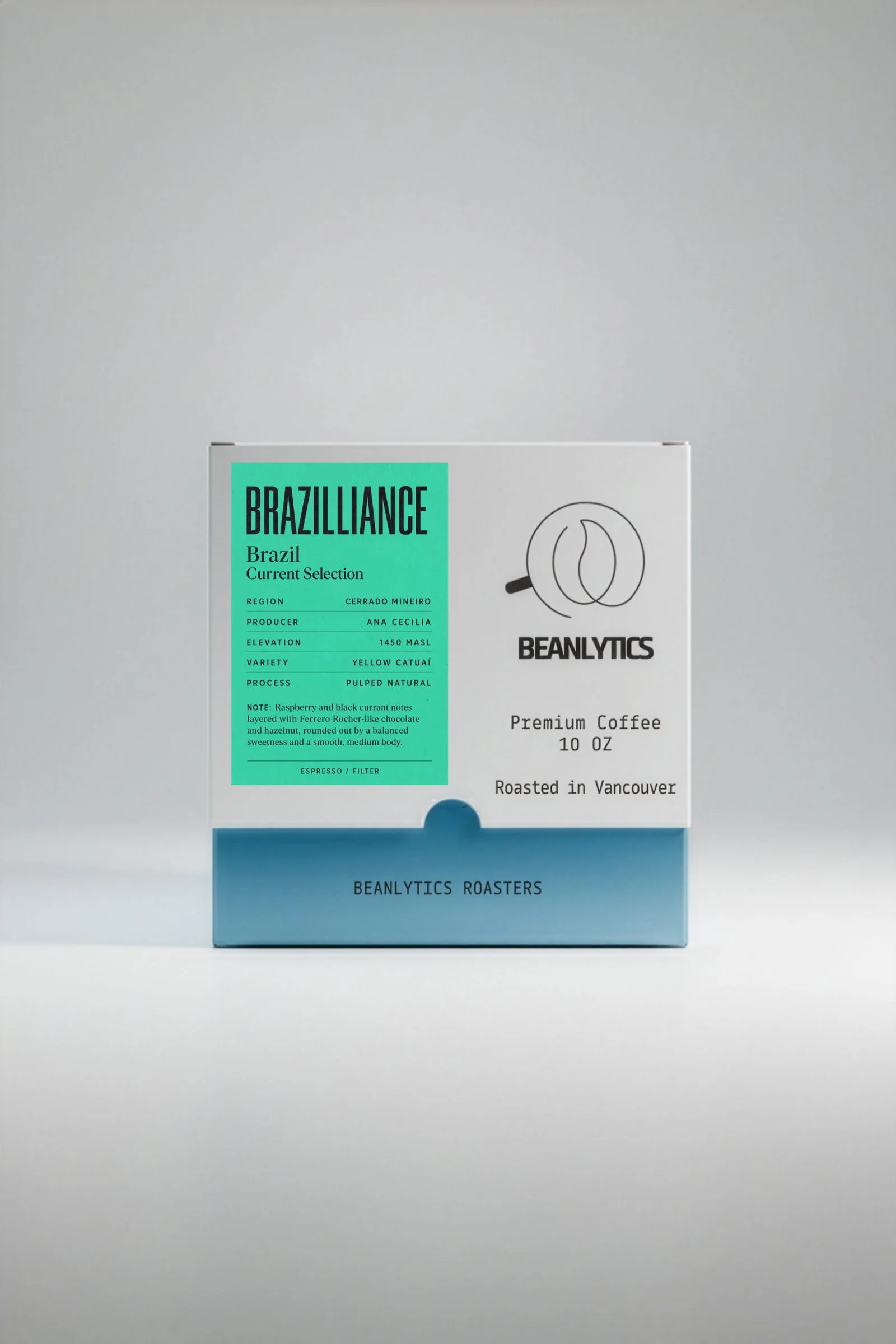
Many roasters build their espresso from a blend, two or more coffees combined so the shot stays balanced and tastes the same month after month. Blends are forgiving. A single origin, coffee from one farm or region, gives a shot with its own clear character, and it changes from harvest to harvest. Our espresso coffees are single origins: classic chocolate-and-caramel shots from Brazil and Sumatra, and brighter ones from the fruitier coffees in the same collection.
How to choose coffee beans for espresso
Straight shots or milk drinks
For lattes, cappuccinos and flat whites, pick a chocolate and nutty coffee. Brazilian and Sumatran coffees are the classic choice: they pull a sweet, syrupy shot that cuts through milk. For straight espresso, try a fruity single origin. It can turn sharp under milk, so taste it straight first.
Your machine and grinder
Lighter coffees need a fine, even grind and hot, stable water to taste sweet, so they reward a machine and grinder that hold temperature and grind consistently. If your setup is less precise, a chocolate and nutty coffee is more forgiving.
Time it from the roast date
Freshly roasted coffee needs a few days to release gas before it pulls an even shot. Aim to brew espresso roughly 7 to 21 days after the roast date: settled enough to extract evenly, fresh enough to taste sweet. We roast to order and print the roast date on every bag so you can time it. There’s more on this in how long coffee beans stay fresh.
What to check when you buy
- Pick the roast for how you drink it: darker suits milk, while lighter tastes brighter and takes more care.
- Choose chocolate and nutty coffees for milk drinks and fruity ones for straight shots.
- Read the roast date. Espresso tastes best about 7 to 21 days after roasting.
- Buy whole bean if you have a grinder, or have it ground fine for espresso.
- Go for a blend if you want consistency, or a single origin for a shot with its own character.
- Treat the word espresso on a bag as a hint about roast and use, not a different bean.
Start with our espresso coffees, roasted to order in Richmond, BC and shipped across Canada. Each one’s page lists the methods it’s roasted for.