Coffee 101
Beginner-friendly guides to specialty coffee — roasts, tasting notes, caffeine, and how it all works
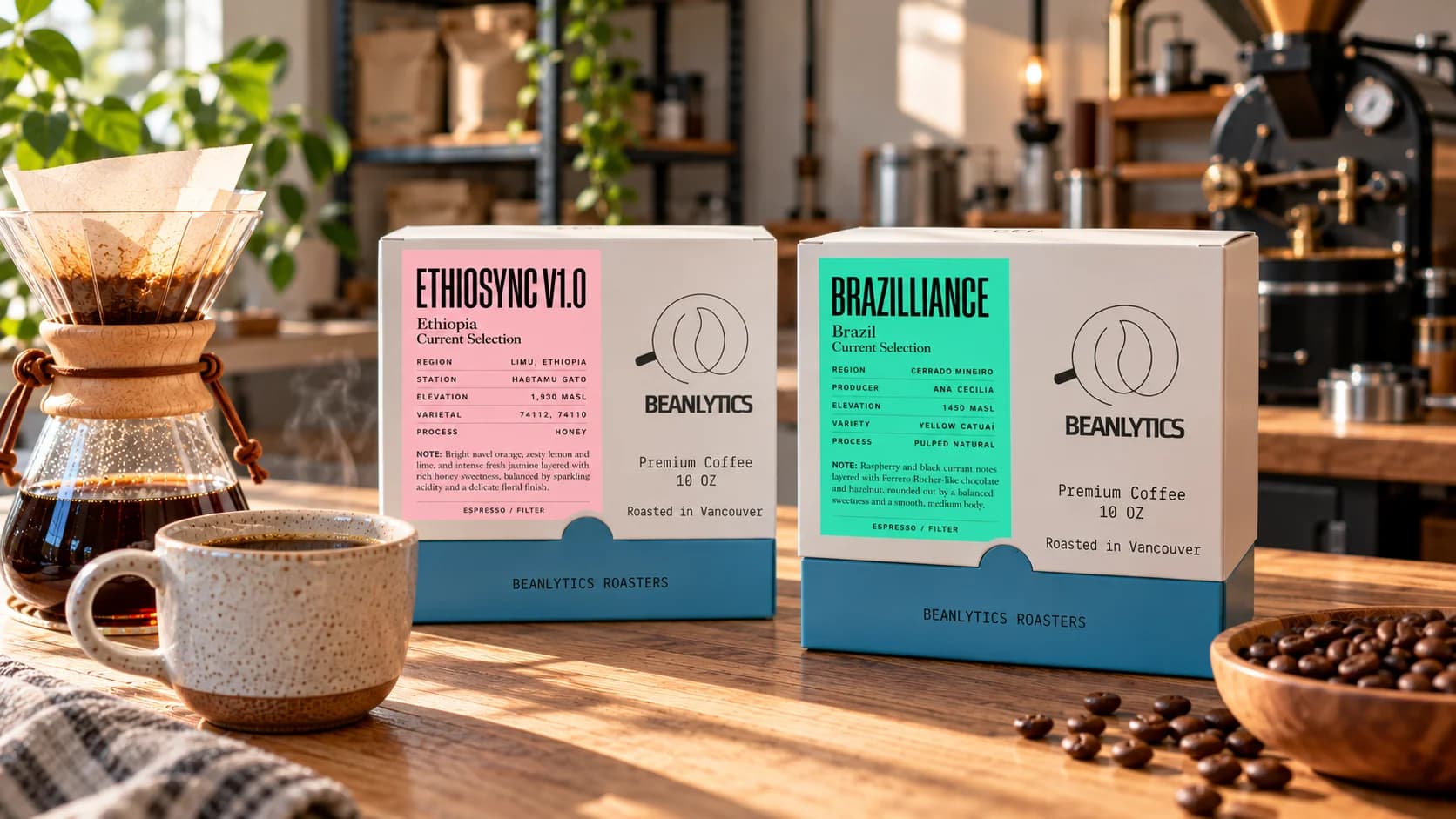
Honey Process Coffee: What It Is, How It’s Made and How It Tastes
Honey process coffee is pulped, then dried with its sticky mucilage on. How it is made, the white to black grades, and how it tastes, from a Richmond roaster.
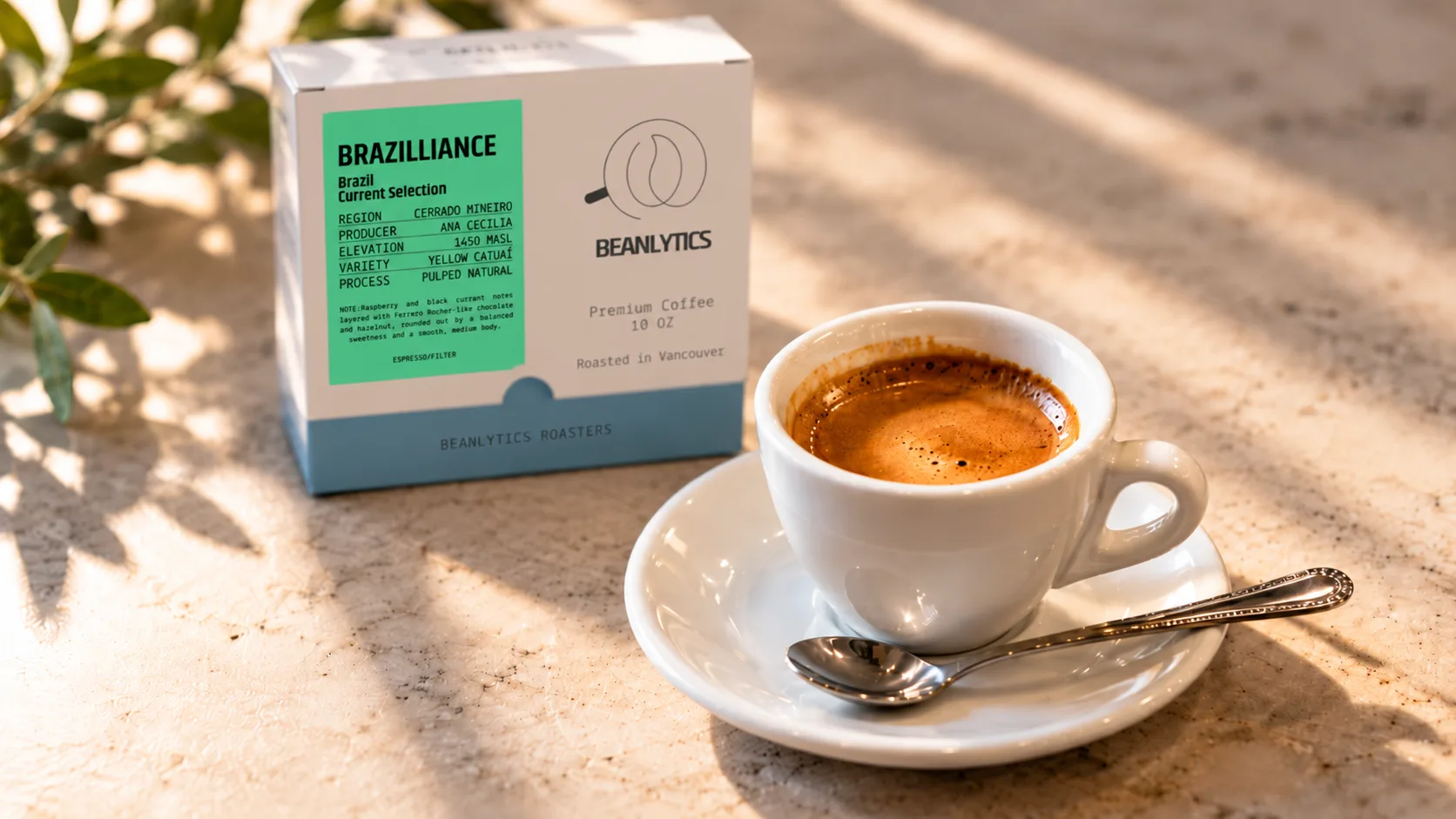
Espresso Beans vs Coffee Beans: What’s the Difference?
Espresso beans and coffee beans are the same bean. The roast, the grind and the brew method change. A Richmond roaster on what to buy for espresso.
How Long Do Coffee Beans Stay Fresh After Roasting?
Roasted whole beans taste best for one to three weeks, ground coffee one to two. The 15-15-15 rule, how to store beans, and how old ours are when they arrive.
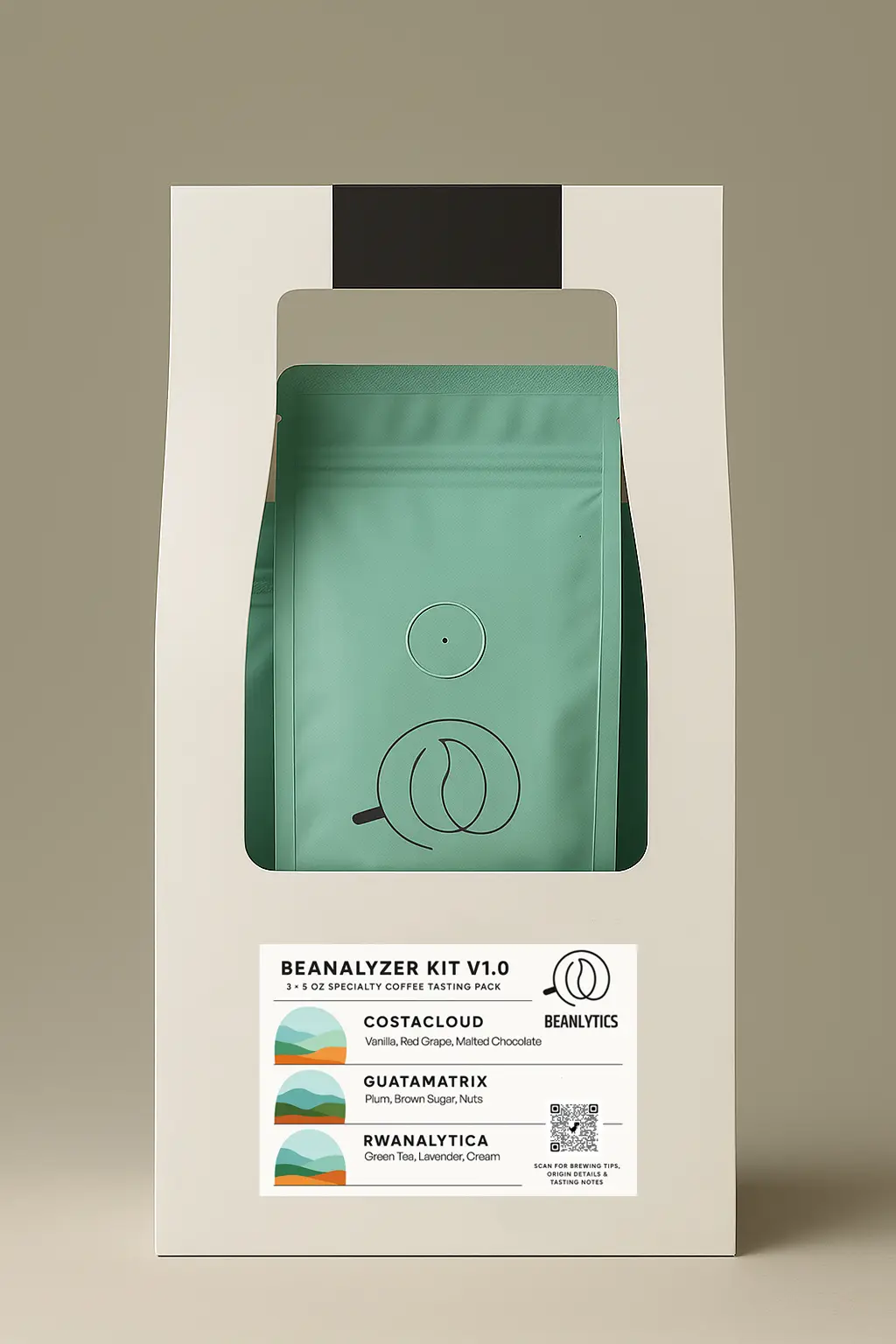
How to Taste Coffee at Home: A Q Grader’s Method
Taste two or three coffees side by side, black, at three temperatures, and name five things: a Q Grader’s cupping method scaled to a kitchen, with real lots.
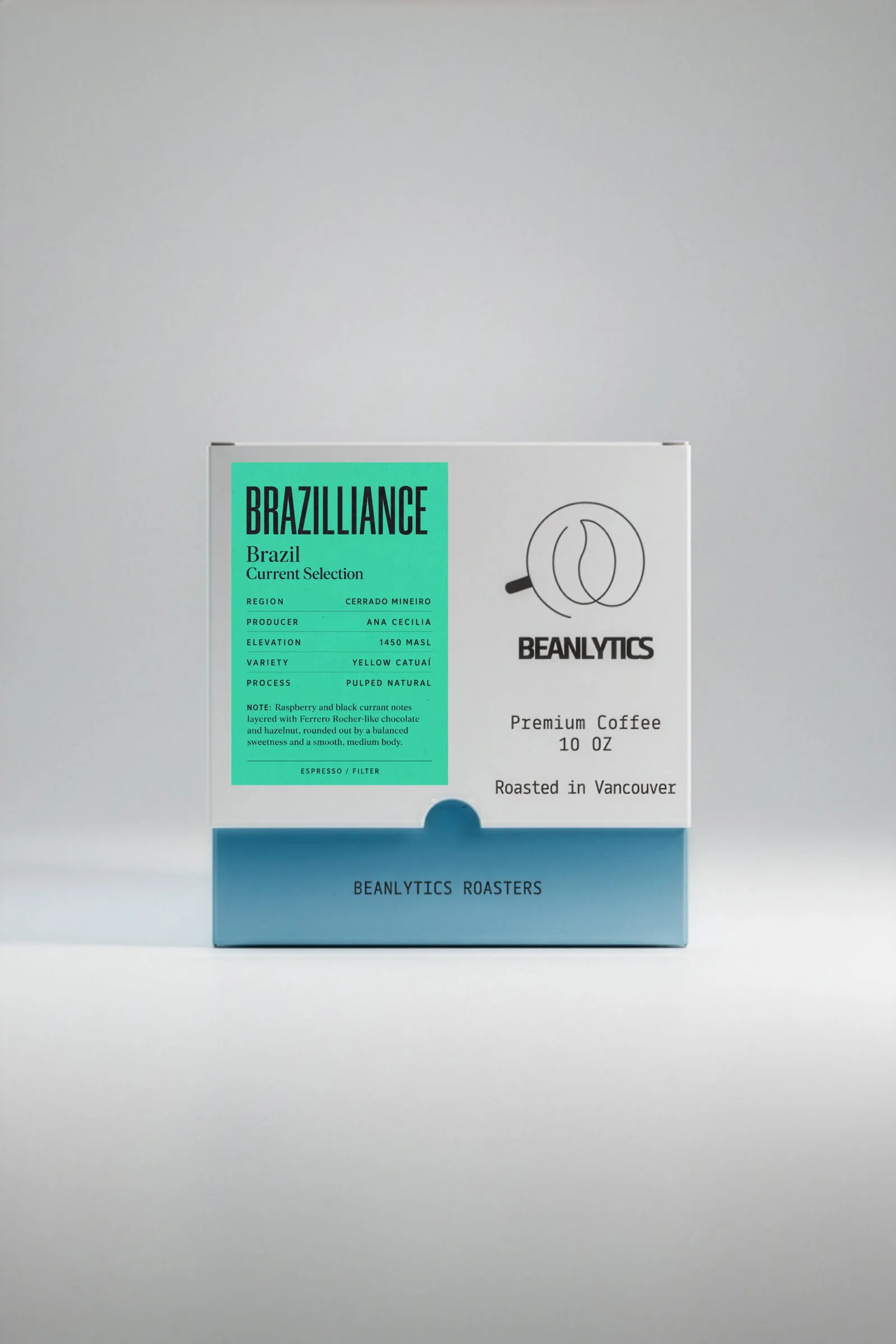
Fruity vs Chocolatey Coffee: What Makes the Difference, and Which to Buy
Fruit arrives with the green coffee. Chocolate is made in the roaster. A Richmond roaster compares the two families lot by lot and says which suits your brew.
What Is Specialty Coffee? A Q Grader’s Definition
Specialty coffee is coffee graded for distinctive quality: traceable, defect-free and scored by trained tasters. A Q grader explains what the grade means.
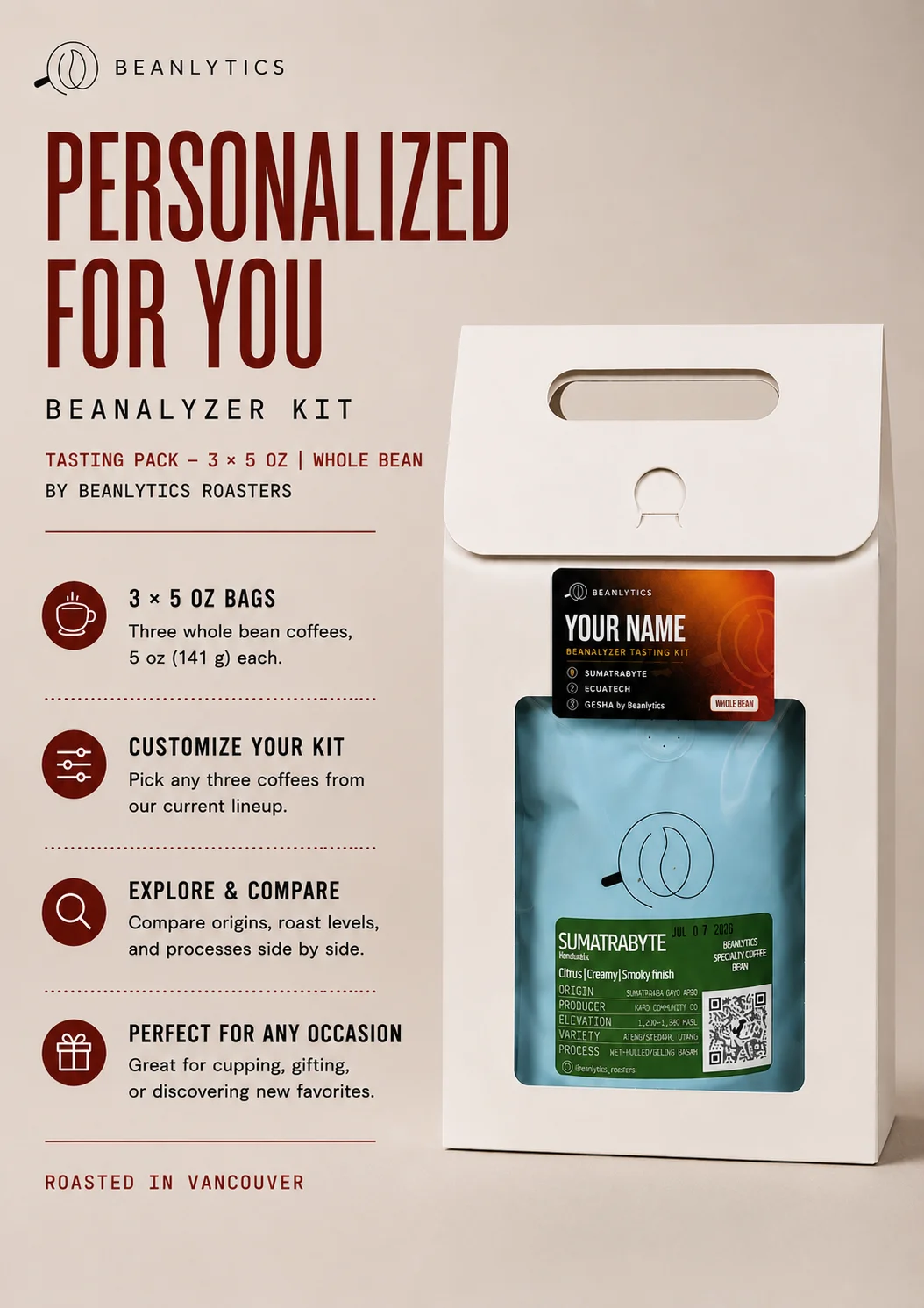
How to Choose Coffee Beans: A Roaster’s Guide for Canada
Choose coffee beans by brew method first, then flavour family, then how adventurous you feel. A Q grader’s guide for Canada, each step ending in a real lot.
How Coffee Processing Shapes Flavor in Specialty Coffee
Why Processing Matters In specialty coffee, processing is the bridge between the coffee tree and the green beans a roaster receives. It covers everything that happens to the cherry after harvest: how the skin and fruit are removed, how long it ferments, and how it is dried. These steps dramatically affect acidity, sweetness, body, and […]

Water Chemistry for Coffee Brewing: What Actually Matters
The right water chemistry can change your cup more than your grinder. Learn which minerals matter, ideal TDS range, and how Vancouver tap water affects specialty coffee.

Exploring the Terroir: Why Origin Matters More Than Ever
Two coffees grown just 50 kilometers apart in Colombia can taste as different as a peach and a bar of dark chocolate. The reason is terroir — the altitude, soil, rainfall, and microclimate that leave a fingerprint on every bean. At Beanlytics Craft Coffee in Richmond, BC, terroir is one of the first things we […]

How Roast Profiles Shape Flavor: A Beginner’s Guide
Drop the same green coffee into two roasters set ten degrees apart and you will get two different cups. The roast profile is the invisible hand behind every flavour note on the bag, and understanding it is one of the fastest ways to start choosing coffees you will actually love. At Beanlytics Craft Coffee in […]

Exploring Coffee Varieties: How Genetics Shape Every Sip
By Beanlytics Coffee Roasters, Vancouver Coffee isn’t just a morning ritual—it’s a science. At Beanlytics Coffee Roasters, we’re obsessed with more than just roast profiles and origin traceability. We dive deep into the genetics of coffee varieties, because every bean tells a story shaped by nature, nurture, and nuance. Just like wine grapes, different coffee […]
How Origin Shapes the Soul of Your Coffee
Coffee is a story written in climate, soil, and altitude, and it unfolds in every sip. Where your coffee comes from shapes how it tastes, how it roasts, and how it drinks. Here is how different growing regions shape a cup, using the coffees we currently have on the shelf as the examples. Central America: […]