Coffee 101
How to Choose Coffee Beans: A Roaster’s Guide for Canada
Choose coffee beans in three steps: how you brew, which flavour family you like, and how adventurous you want the cup to be. Origin, process and variety fine-tune the choice, and the roast date decides whether any of it survives the trip to your kitchen.
This guide is written from our roastery in Richmond, BC, and every step ends in a coffee we roast, so you can check the advice against a real bag instead of a generic list.
The short version
- Decide how you brew first. Espresso and filter reward different coffees, though a well-roasted single origin can do both.
- Pick a flavour family: fruity and floral, or chocolate and nutty. Most specialty coffee sits in one of the two.
- Decide how adventurous you feel: clean and balanced, or fermented and unusual.
- Use the three words on the bag, origin, process and variety, to fine-tune.
- Buy by roast date, not best-before date, and buy whole bean.
Step 1: start with how you brew
Espresso concentrates everything. Sweetness, body and acidity arrive at once, so coffees with chocolate, caramel and nut flavours give the familiar syrupy shot and hold up in milk. Brighter, fruit-led coffees make a livelier espresso that many people prefer straight, because milk can flatten the fruit.
Filter does the opposite. Paper strips the oils and slows the extraction, so the cup is cleaner and shows origin character, acidity and the more delicate flavours. Fruity and floral coffees open up here. A rounder coffee brews sweet and smooth as filter too, it just shows less of its range.
We roast every single origin as an omniroast, so any bag in the shop works both ways. The espresso collection and the filter collection sort the same lots by where each one shines.
Step 2: pick a flavour family
Almost every specialty coffee lands in one of two families, and the tasting notes on the bag tell you which.
Fruity and floral coffees taste of citrus, berry, stone fruit and jasmine, often with a tea-like lightness. They come mostly from African origins and from rare varieties. On our shelf right now that means the Ethiopia Limmu honey, the El Salvador Pacamara, and the Sidra and Gesha lots from Ecuador and Colombia.
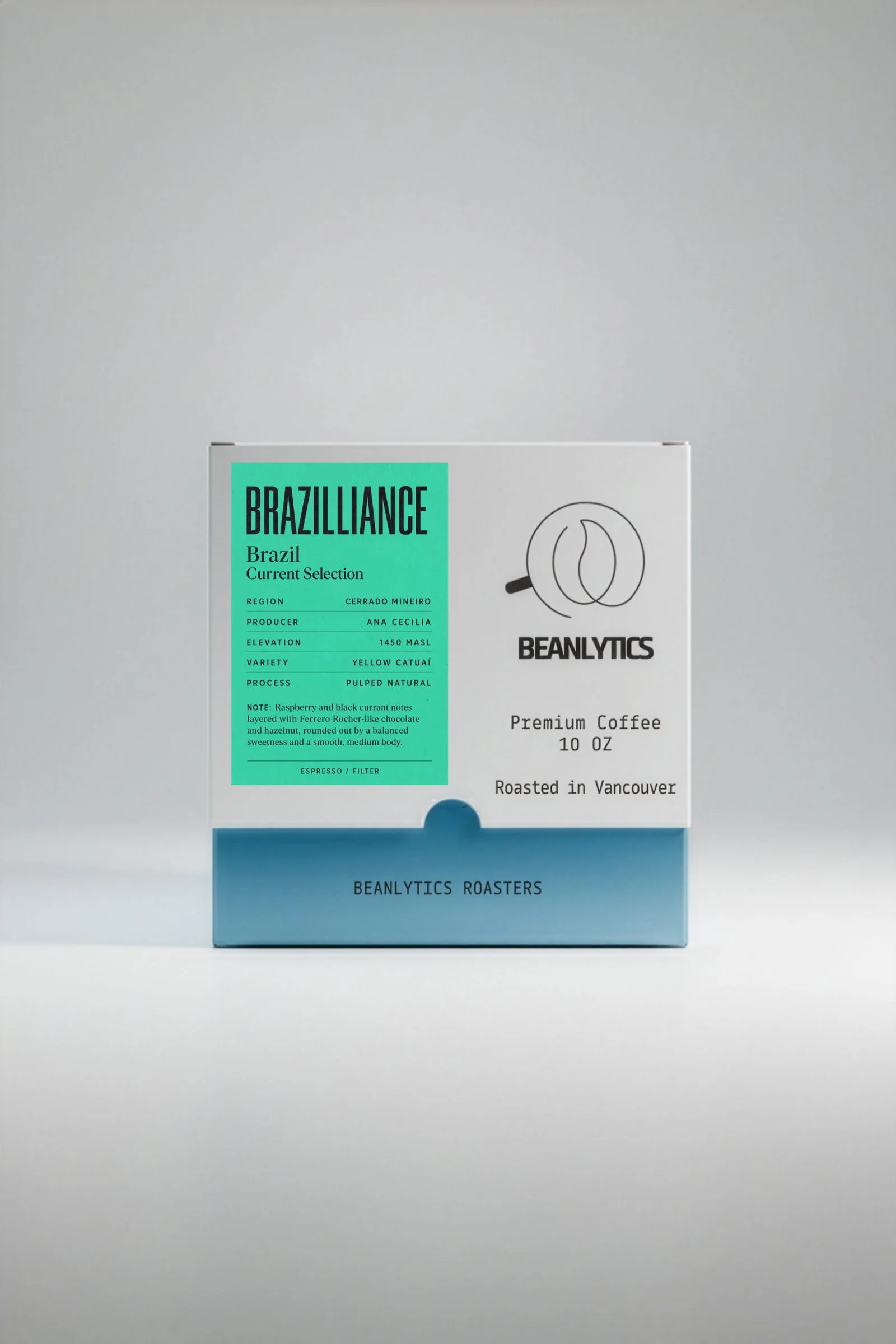
Chocolate and nutty coffees taste of dark chocolate, caramel, toasted almond and brown sugar, with a fuller, syrupy body. They come mostly from South America and Asia. Ours are the Brazil Yellow Catuai from the Cerrado and the Sumatra Mandheling.
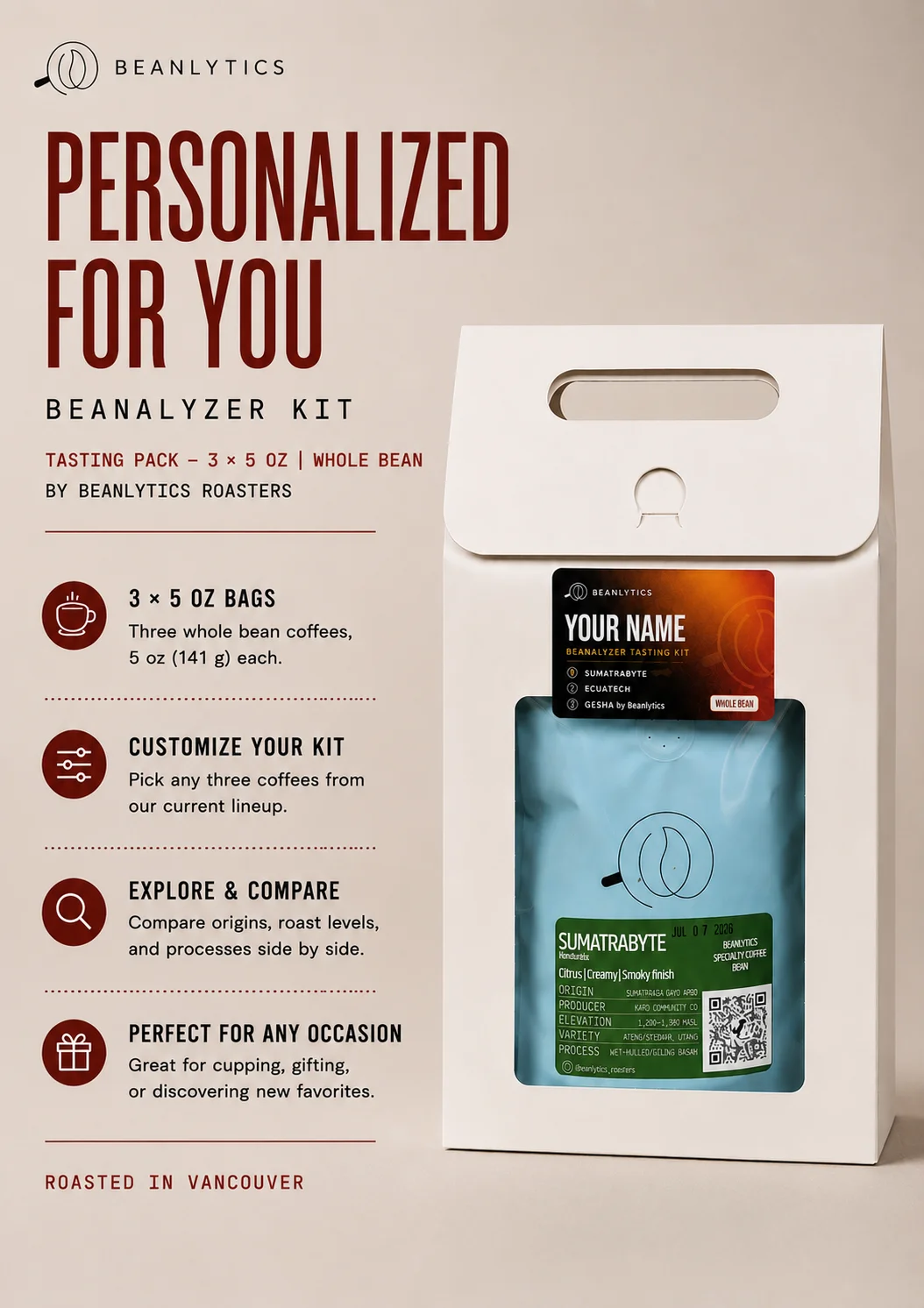
If you do not know which family you prefer, that is what the tasting kit is for: three single origins in 5 oz bags, brewed side by side with the same recipe.
Step 3: decide how adventurous you feel
Inside each family a coffee can be clean and predictable or wild and fermented, and the difference comes mostly from processing and variety.
For a clean, balanced cup, start with a washed lot. Washing removes the fruit before the bean dries, so what you taste is the origin and the plant. Two washed lots on our shelf make good starting points: the El Salvador Pacamara, a big-bean variety from Finca Luna in Chalatenango at 1,450 metres, and the Guatemala Antigua Pacas from Pulcal Farm at 1,750 metres, which tastes of plum, white chocolate and brown sugar.
For something stranger, look for natural, honey or anaerobic on the bag. In a natural, the bean dries inside the whole cherry and the fruit ferments around it as it dries. Little if any sugar crosses into the seed, but the fermentation leaves its mark, and the cup gets heavier and fruitier. Honey sits in between. Anaerobic means the cherries or beans fermented in a sealed tank first, which pushes flavours further still. Our Ethiopia Limmu is a honey, and the Colombia El Diviso Sidra is an anaerobic washed lot.
Rare varieties are the third dial. Sidra, Gesha and Pacamara are grown in small quantities and priced accordingly, and they taste unlike the workhorse varieties that make up most of the world’s coffee. If that is the direction you want, read what Sidra is and why it costs what it does before you buy.
Fine-tune with the three words on the bag
Every bag we roast names the origin, the process and the variety. Each word predicts something different about the cup.
| The word | What it tells you | What it does in the cup | Where to start |
|---|---|---|---|
| Origin | Where the coffee grew, down to the farm | Altitude and climate set acidity and sweetness. Higher and cooler usually means brighter; lower and warmer means rounder. | Coffee by origin |
| Process | What happened between the cherry and the green bean | Washed is clean and bright. Natural is fruitier and heavier. Honey sits between the two. | Washed, natural, honey |
| Variety | The plant itself | Catuai, Bourbon and Typica are the dependable workhorses. Sidra, Gesha and Pacamara are rare and priced accordingly. | Sidra lots |
Altitude is the number worth remembering. Our lots run from 1,450 metres in Brazil and El Salvador to 2,100 metres in Ecuador, and that spread explains most of the difference between a round cup and a bright one.
Buy by roast date, not best-before
A supermarket bag prints a best-before date a year out. A specialty bag prints the day it was roasted, because the flavour changes week by week. We roast to order and dispatch within a few business days, so the date on your bag is days old rather than months.
Rest the beans before espresso. The shot needs a few days of degassing to pull cleanly, and we suggest brewing espresso 7 to 21 days after the roast date. Filter is more forgiving at the fresh end. Either way, buy whole bean and grind just before you brew; ground coffee loses its aroma quickly.
Local delivery across Metro Vancouver is free with no minimum, and we ship across Canada, so fresh does not mean a trip to Richmond.
Which coffee to try first
Lots rotate through the year, so the collections stay and the names change. As of this week:
- New to specialty coffee: the Brazil Yellow Catuai, a pulped natural from Fazenda Sao Luiz, or the washed Guatemala Antigua Pacas.
- Espresso with milk: the same Brazil, or the Sumatra Mandheling with its heavy, creamy body.
- Pour-over and fruit: the Ethiopia Limmu honey from the Habtamu Gato site at 1,930 metres.
- Chasing something rare: the Ecuador Sidra from Finca Terrazas del Pisque at 2,100 metres, or the Colombia Gesha from Finca Miramar.
- Decaf: the Colombia decaf, decaffeinated before roasting with sugarcane EA so the Huila character survives.
- Cannot decide: the tasting kit, then come back to this page with a favourite.
Questions people ask
What is the 15-15-15 coffee rule?
It is a rule of thumb that circulates in brewing guides: use green coffee within 15 months of harvest, roasted coffee within 15 days of roasting, and ground coffee within 15 minutes of grinding. The shape is right, the middle number is not, at least for espresso. Fresh-roasted beans need time to degas, which is why we suggest 7 to 21 days for espresso. Treat 15 days as a midpoint, not a deadline.
Which coffee beans are best in Canada?
There is no single best bean, only the right one for your brew and your taste. The useful test for a Canadian buyer is the roaster: choose one that prints the roast date, names the farm, and ships from inside Canada, so the beans are not sitting in customs while they age. Then work through the three steps above.
What are the best coffee beans for beginners?
A washed or pulped natural lot from the chocolate and nutty family. It is sweet, low in acidity and forgiving of a rough grind or a wrong water temperature. On our shelf that is the Brazil Yellow Catuai.
How can you tell if coffee beans are high quality?
Read the bag. A serious roaster states the origin, the farm, the process, the variety, the altitude and the roast date. Specialty grade means the green coffee scored 80 or more out of 100 in a cupping by a certified Q grader, which is how we evaluate our green coffee. A bag that says only “100% arabica” and “medium roast” is telling you it has nothing more to say.
Should I use different beans for espresso and filter?
Not necessarily. The same lot tastes different under pressure than through paper, and both can be good. If you brew both ways, pick by flavour family first and let the method show you a different side of the same coffee.