What washing does to the cup
The cherry is pulped within hours of picking, the seed is fermented in water until the sticky mucilage breaks down, and it is washed clean before it goes to the drying beds. Sugar and fruit pulp are gone before drying starts, so they cannot ferment further or push flavour into the seed. The result reads as clean and defined: higher perceived acidity, a lighter body than a honey or natural, and a narrower, more precise flavour than the same lot processed any other way.
Why most of our catalogue is washed
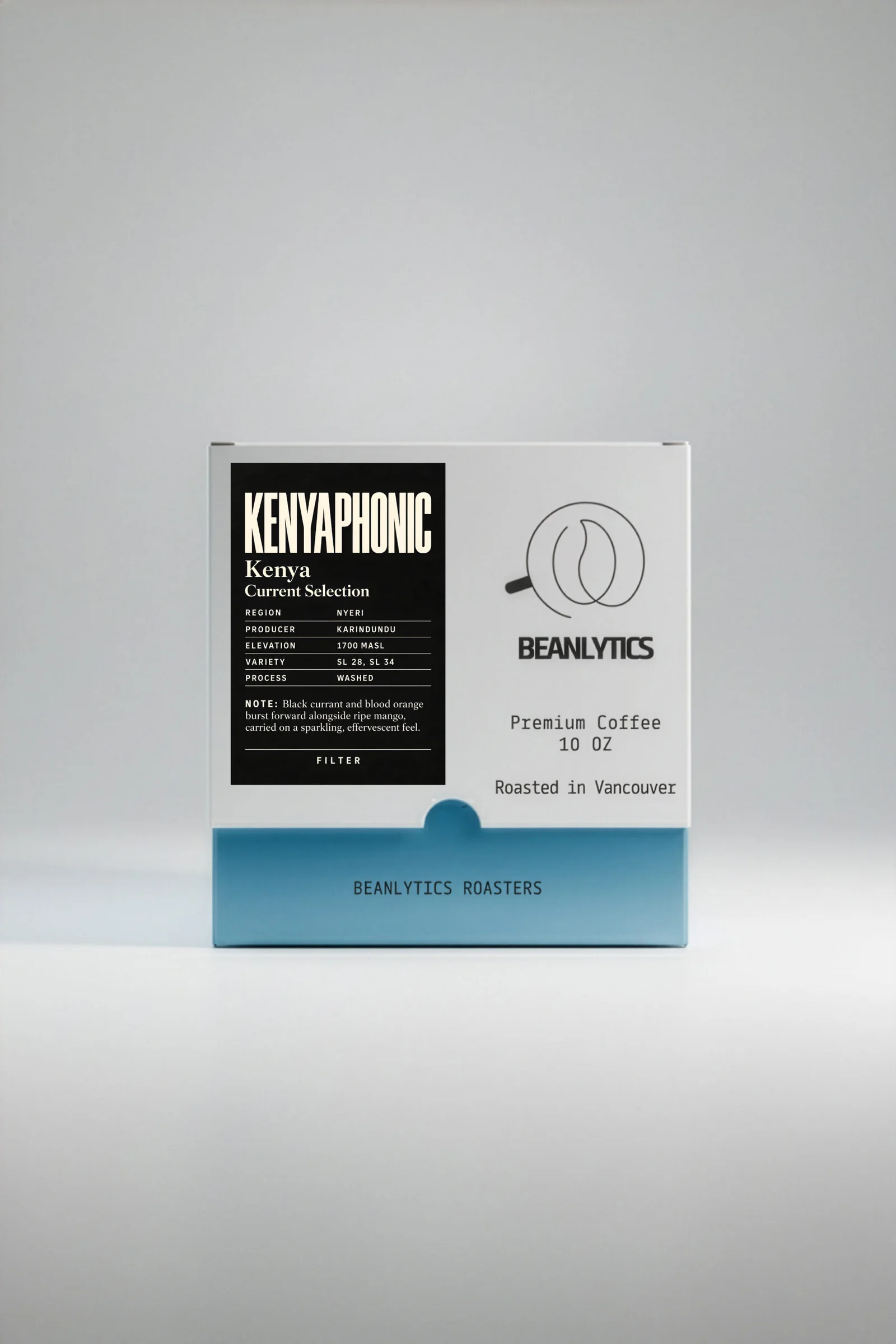
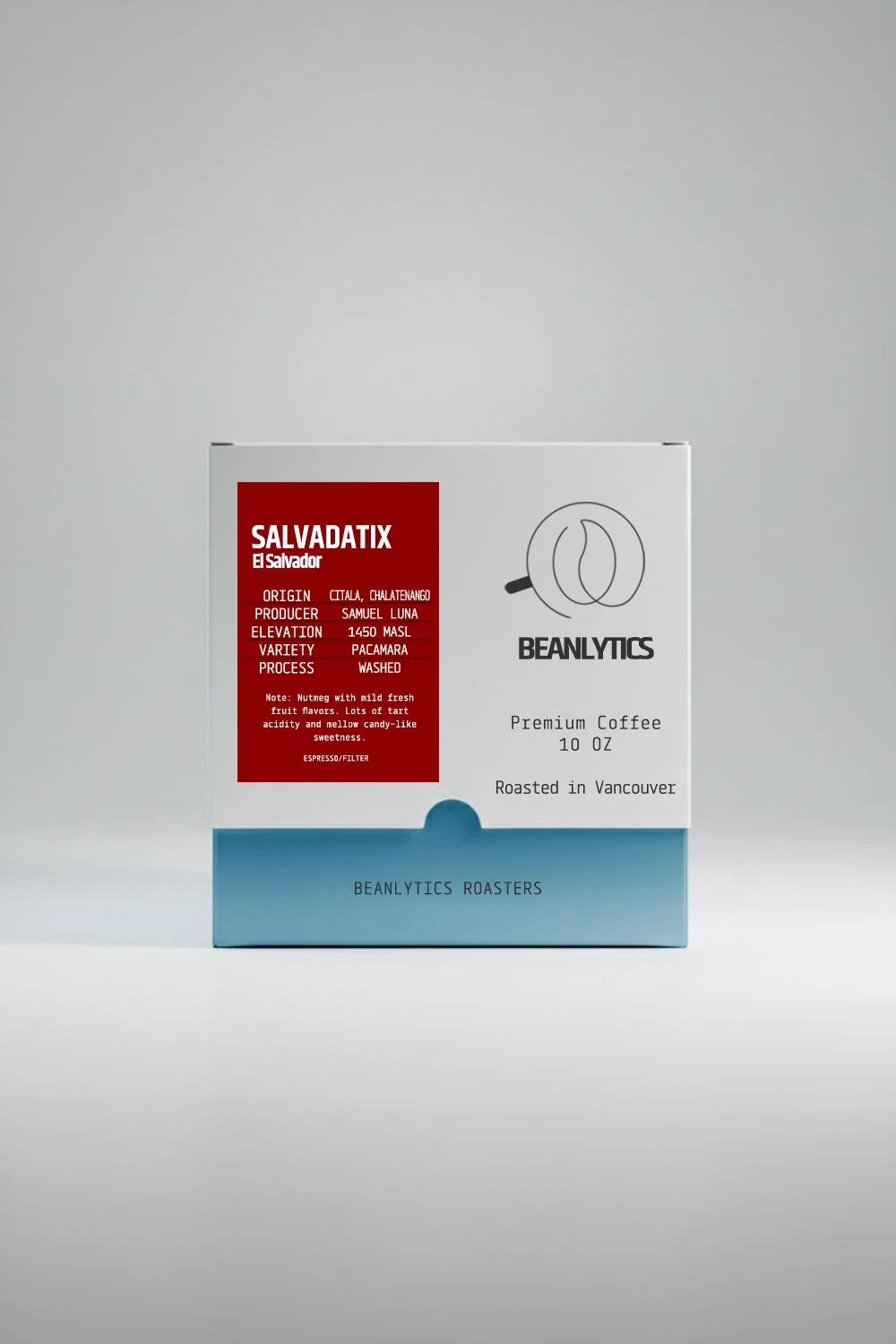
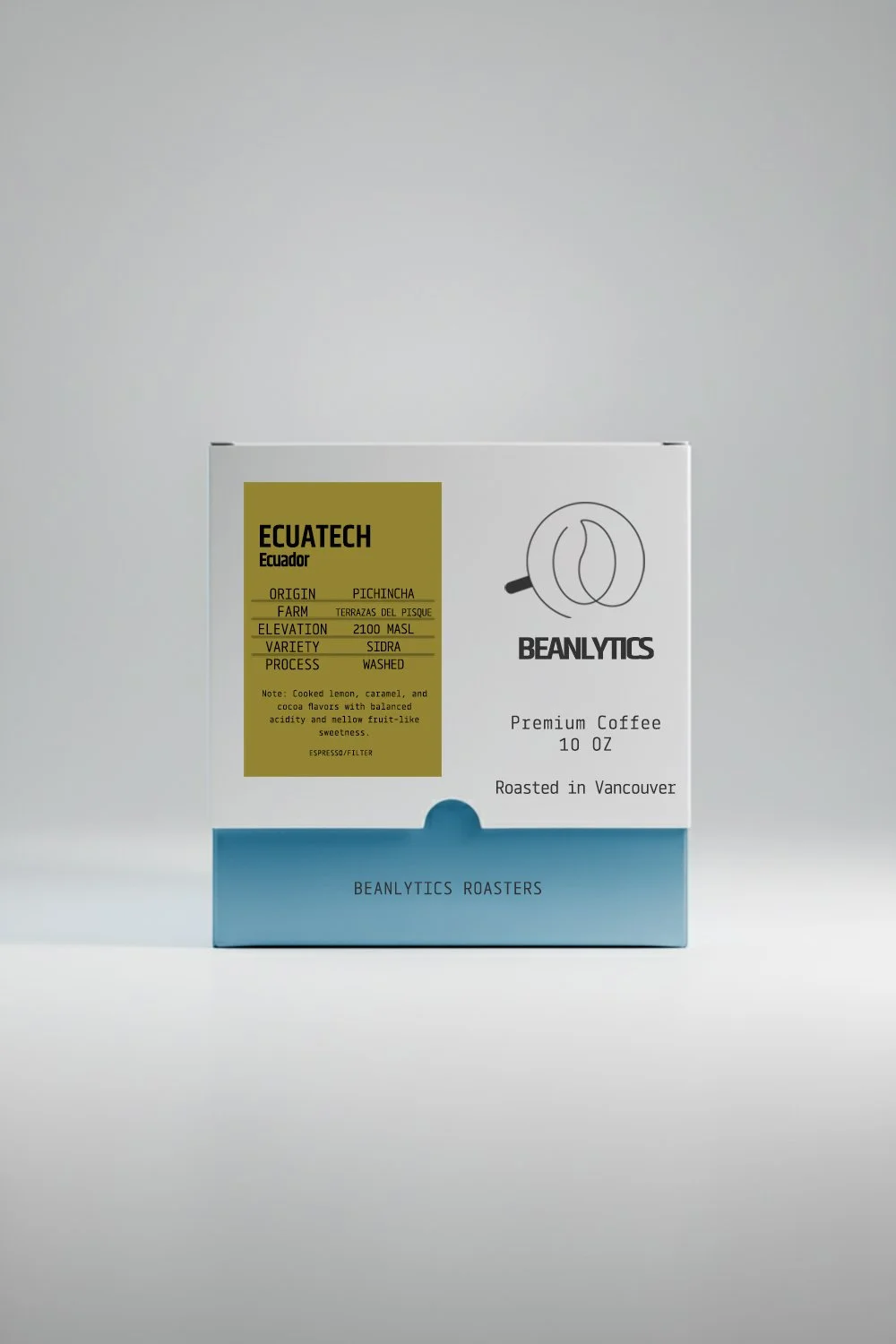
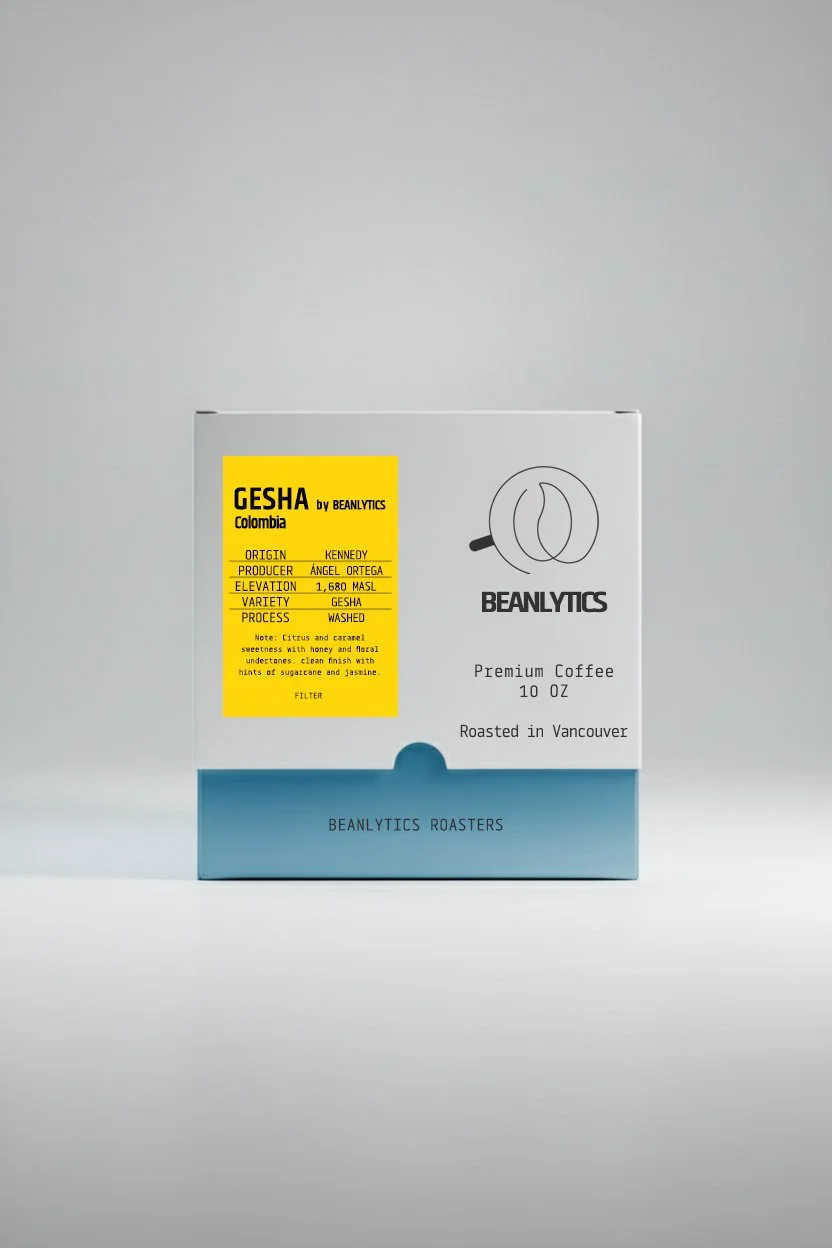
Because most of what we buy is bought for the variety or the site, and washing is the process that lets those show. Finca Miramar's Gesha at 1,680 masl in Kennedy, San Agustín and Finca Luna's Pacamara at 1,450 masl in Citalá, Chalatenango are both rare varieties in small lots; a heavier process would sit on top of exactly the character we paid for. Finca Terrazas del Pisque sits at 2,100 masl in Pichincha, the highest lot we carry, where slow cherry maturation does the work that fermentation would otherwise be asked to do.
The variations behind the word
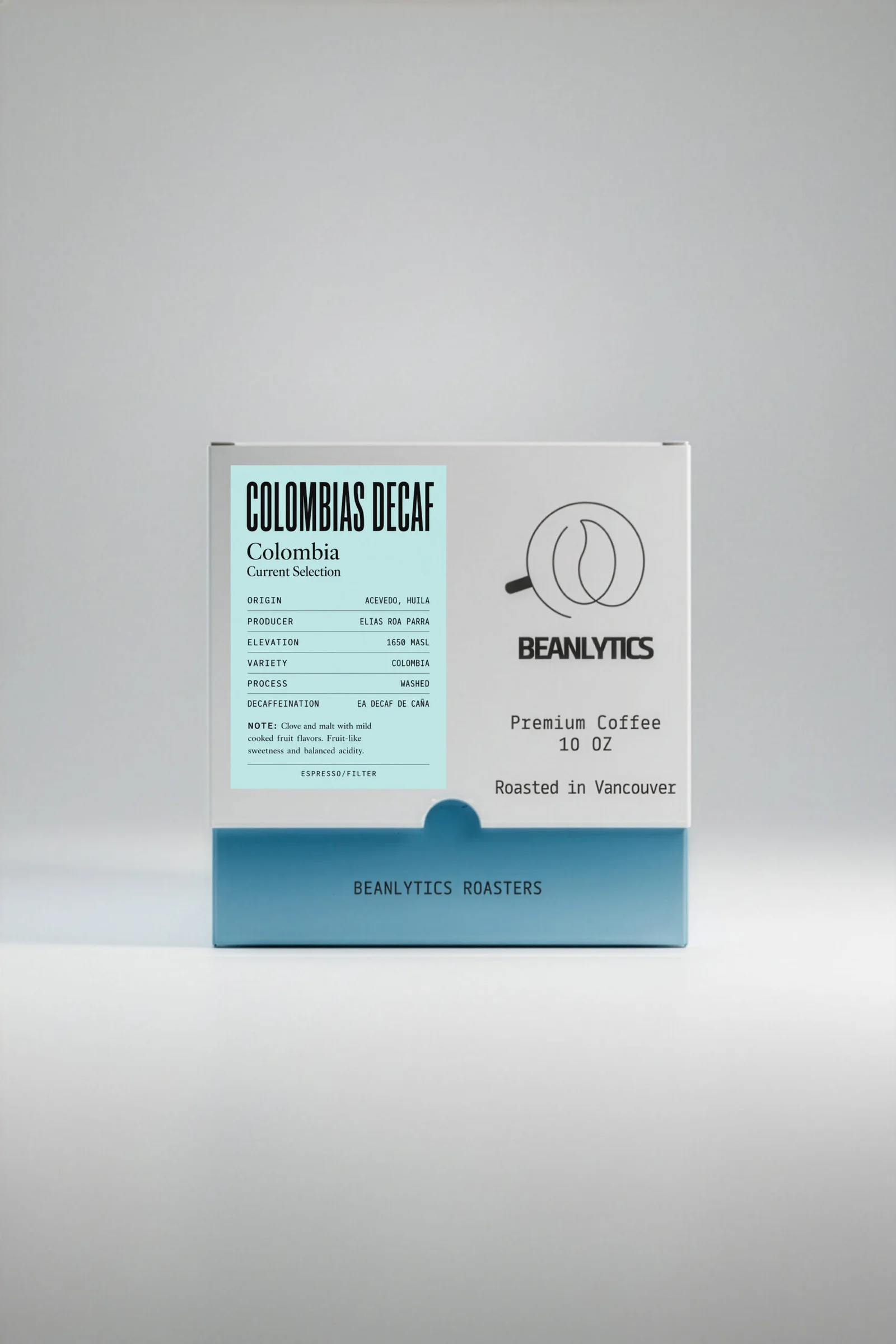
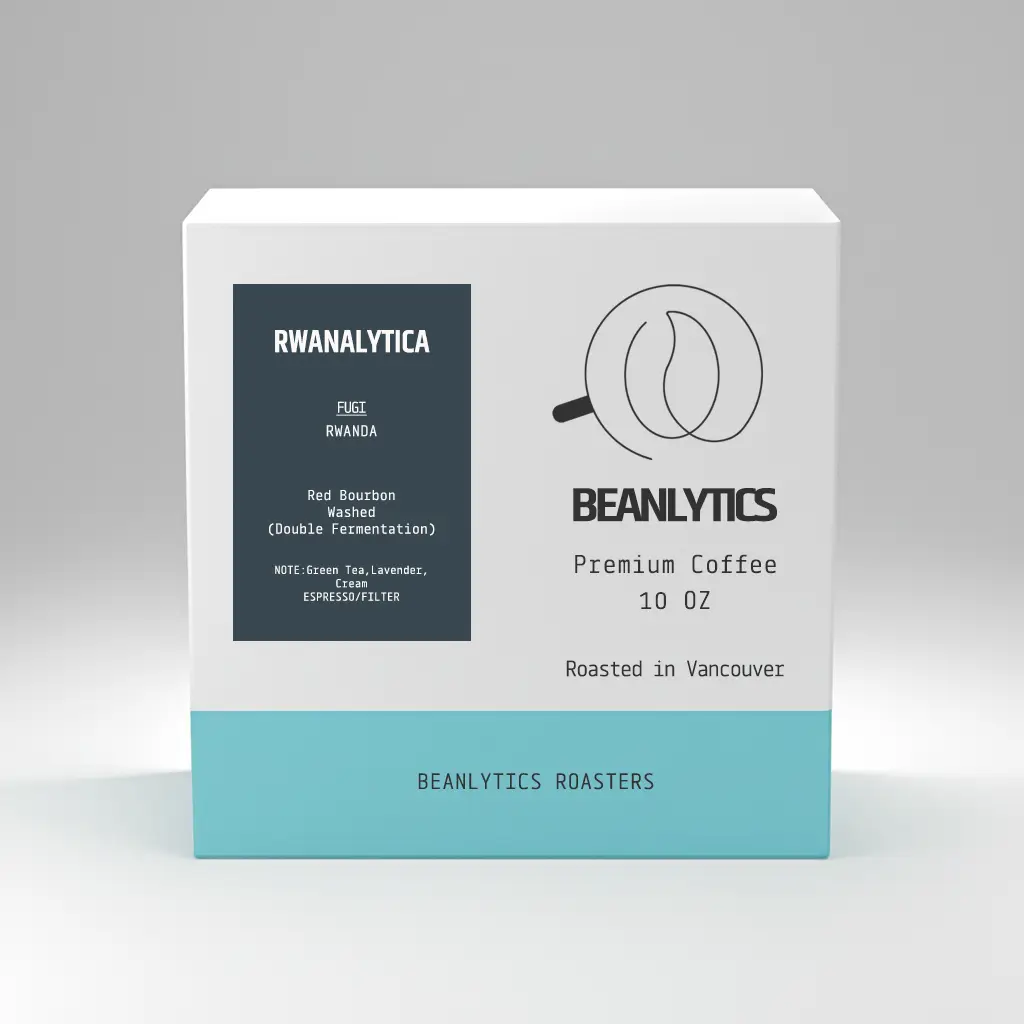
"Washed" covers a range. Rwanda's Red Bourbon from the Fugi washing station is double-fermentation washed — two separate soaks rather than one — which builds more texture than a single ferment while keeping the clarity. Colombia's decaf from Elias Roa Parra at 1,650 masl in Acevedo, Huila, is washed before decaffeination, so the sugarcane EA process that follows starts from an already-clean seed. Sumatra is the outlier we do not file here: Giling Basah wet-hulling is its own method and belongs to its own tradition.
Brewing a washed coffee
Washed lots reward the methods that show detail. A pour-over at a medium-fine grind gives the acidity room to read as structure rather than sourness, and the lighter body means a slightly higher dose survives without turning heavy. If a washed coffee tastes thin, grind finer before you add coffee — the clarity that makes these lots worth buying is the same quality that exposes an under-extraction.
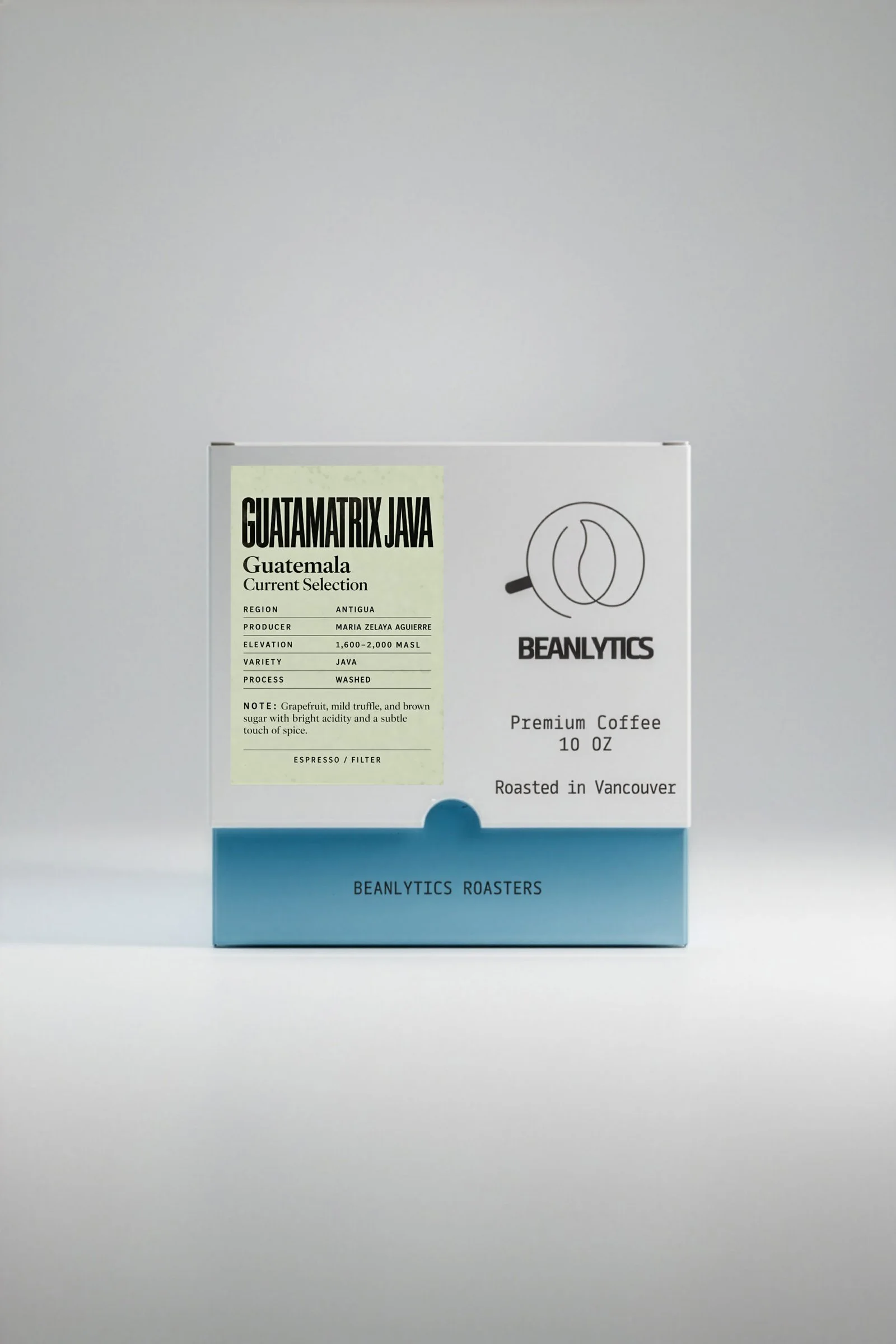
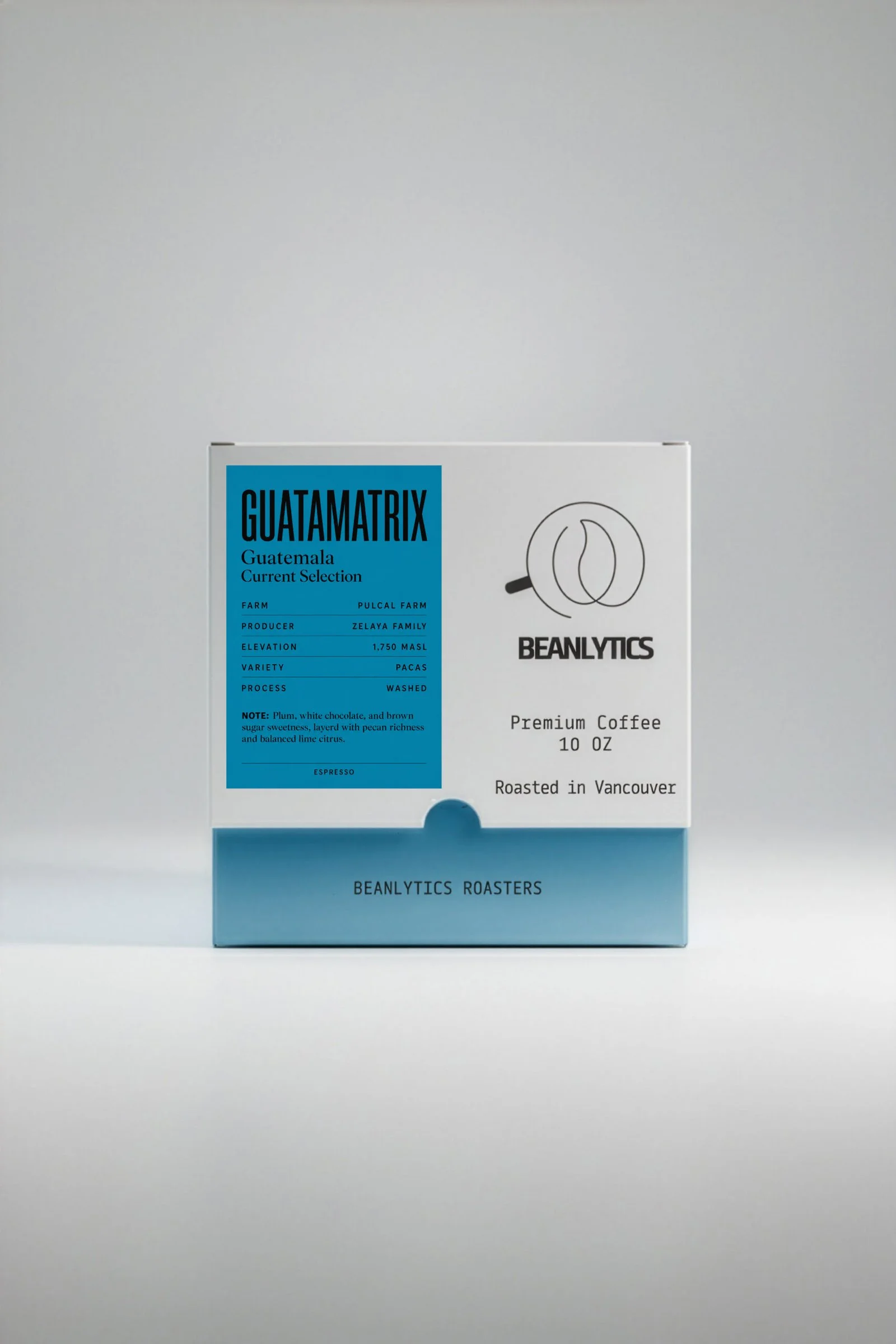
Guatemala's AAPICUC cooperative lot is described as fully washed and sun-dried in its own product copy; Rwanda's Fugi lot as double-fermentation washed. Both are listed here on that description.