Coffee 101
How Origin Shapes the Soul of Your Coffee
Coffee is a story written in climate, soil, and altitude, and it unfolds in every sip. Where your coffee comes from shapes how it tastes, how it roasts, and how it drinks.
Here is how different growing regions shape a cup, using the coffees we currently have on the shelf as the examples.

Central America: the land of balance
Central American coffee grows at high elevation on volcanic soil, and that combination gives cups that are sweet, clean and balanced. It suits pour-over and espresso equally well.
- El Salvador washed Pacamara. Grown by Samuel Luna at Finca Luna in Citalá, Chalatenango, at 1,450 masl. Nutmeg with mild fresh fruit, tart acidity, and a mellow candy-like sweetness.
Pacamara beans are enormous, and dense beans like these give us room to bring out complexity without losing sweetness.
East Africa: floral and complex
When people talk about floral, fruity, tea-like notes, they are usually talking about East African coffees. Ethiopia is the genetic homeland of arabica, and its beans are delicate and expressive.
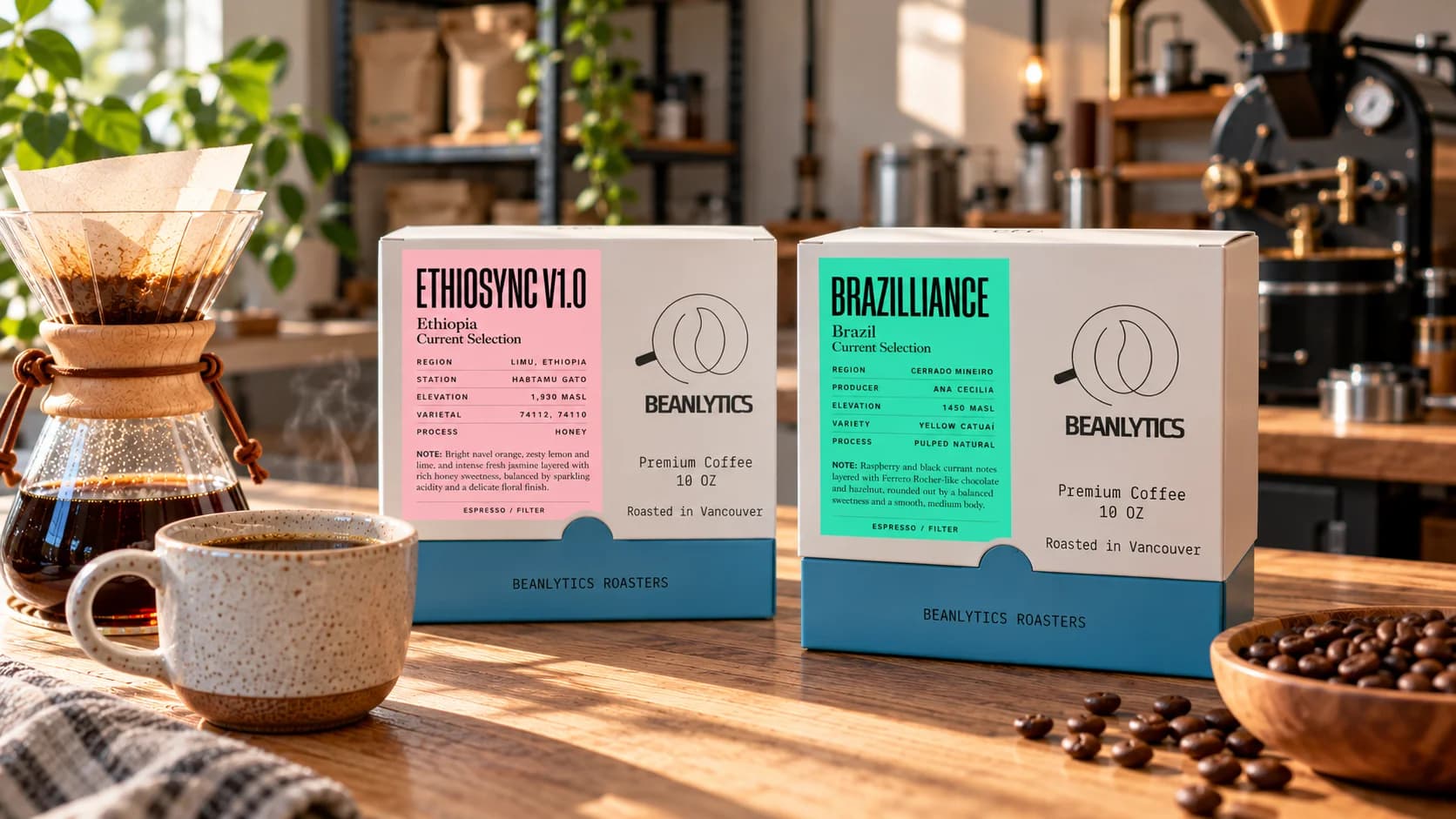
- Ethiopia Limmu honey-processed heirloom. From the Habtamu Gato washing station in the Limmu region, at 1,930 masl. Navel orange, lemon and lime, jasmine, and honey sweetness over sparkling acidity.
African coffees often come from high altitudes, and their small, dense beans take a lighter roast well. That is what brings out the bright acidity and the more delicate flavors.
The Andes: altitude you can taste
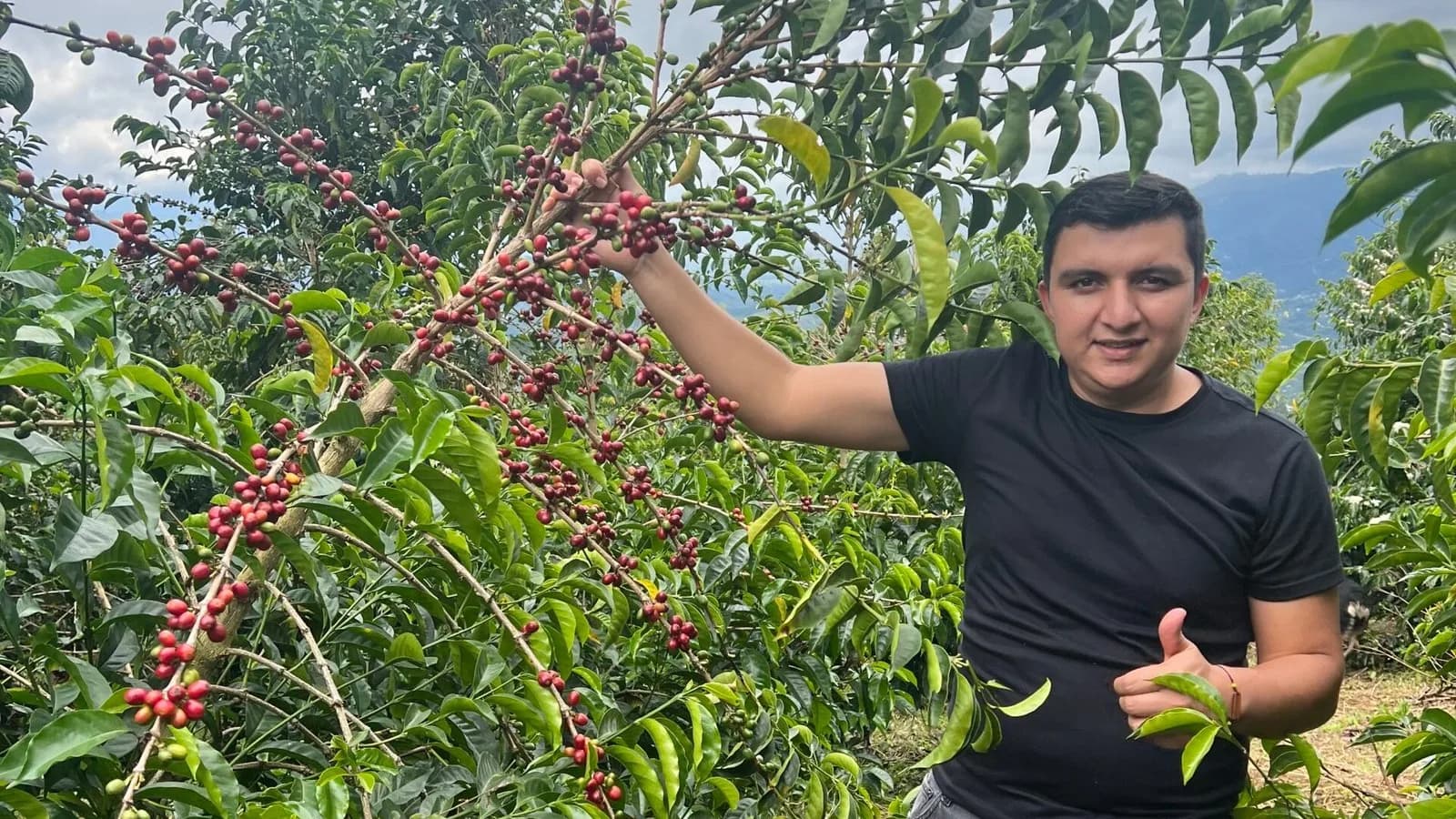
Along the Andes, farms climb higher than almost anywhere else coffee grows. Cool nights slow the cherries down, and slow ripening concentrates sugars and acids in the bean.
- Ecuador washed Sidra. Finca Terrazas del Pisque in Pichincha, at 2,100 masl. Cooked lemon, caramel and cocoa with balanced acidity.
- Colombia El Diviso Sidra, anaerobic washed. El Diviso in Pitalito, Huila, at 1,850 masl, grown by Nestor Lasso. Honeysuckle, butter cookie, lime and cherry blossom.
Brazil: chocolate and body
Brazil grows lower and warmer than the Andes, and the cup follows: less sharp acidity, more round, chocolatey sweetness.
- Brazil pulped-natural Yellow Catuai. Fazenda Sao Luiz in the Cerrado Mineiro, at 1,450 masl. Raspberry and black currant over chocolate and hazelnut, with a smooth, medium body.
Decaf: smooth, without the caffeine
Good decaf starts with coffee that was worth drinking in the first place. Ours is washed Colombian, decaffeinated with sugarcane ethyl acetate rather than harsh solvents.
- Colombia Huila Decaf. Grown by Elias Roa Parra in Acevedo, Huila, at 1,650 masl. Crisp fruit definition, a floral lift, and a polished cocoa finish.
Decaf beans roast differently. They are slightly more brittle, so we give them a roast curve built for sweetness and structure.

Why origin matters in roasting
Origin affects more than flavor. It also shapes:
- Bean density. Higher altitudes give denser beans, which hold more of the flavors we want.
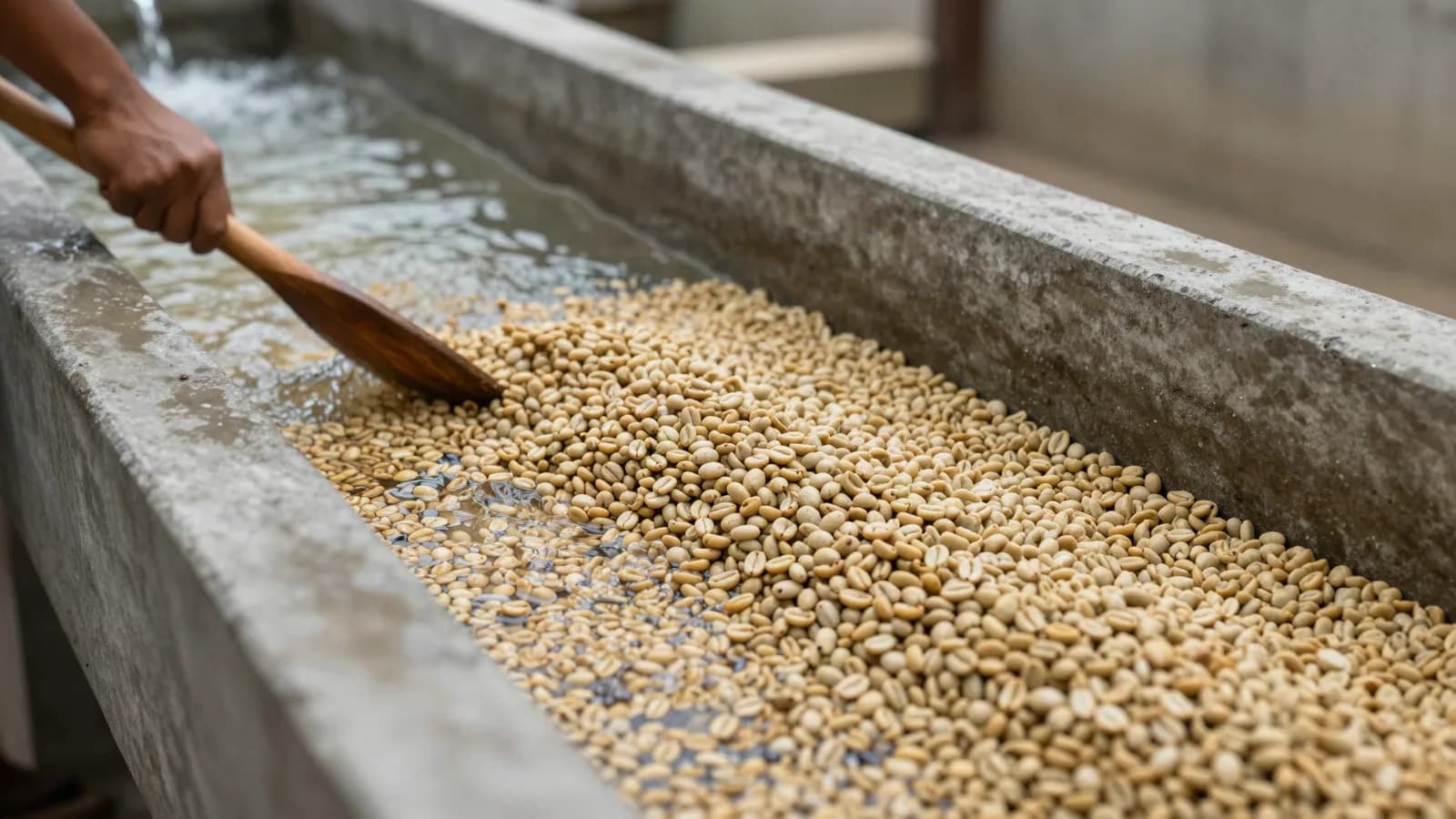
- Moisture and processing. Washed lots bring clarity, naturals bring body and fruit, and honey and pulped-natural lots sit between the two.
- Size and shape. Even this changes how heat moves through the bean during roasting.
We set roast curves from each bean’s physical and chemical traits, and we log every batch so the next one is better informed than the last.
Sip the difference
Coffee should be traceable and honest about where it came from, so every bag includes roast data, the origin story, and tasting notes.
Beanlytics is a specialty coffee roaster in Richmond, BC, just outside Vancouver. We source single-origin lots directly from producing farms and roast them to order in small batches.
Want to taste what origin does? Start with our current lineup:
- El Salvador Pacamara
- Ethiopia Limmu Honey
- Ecuador Sidra
- Colombia El Diviso Sidra
- Brazil Yellow Catuai
- Colombia Huila Decaf
Related reading
- Exploring the Terroir: Why Origin Matters More Than Ever
- Ethiopian vs Colombian Coffee: What’s the Difference?
Ready to taste origin in every sip?