Coffee 101
How Roast Profiles Shape Flavor: A Beginner’s Guide
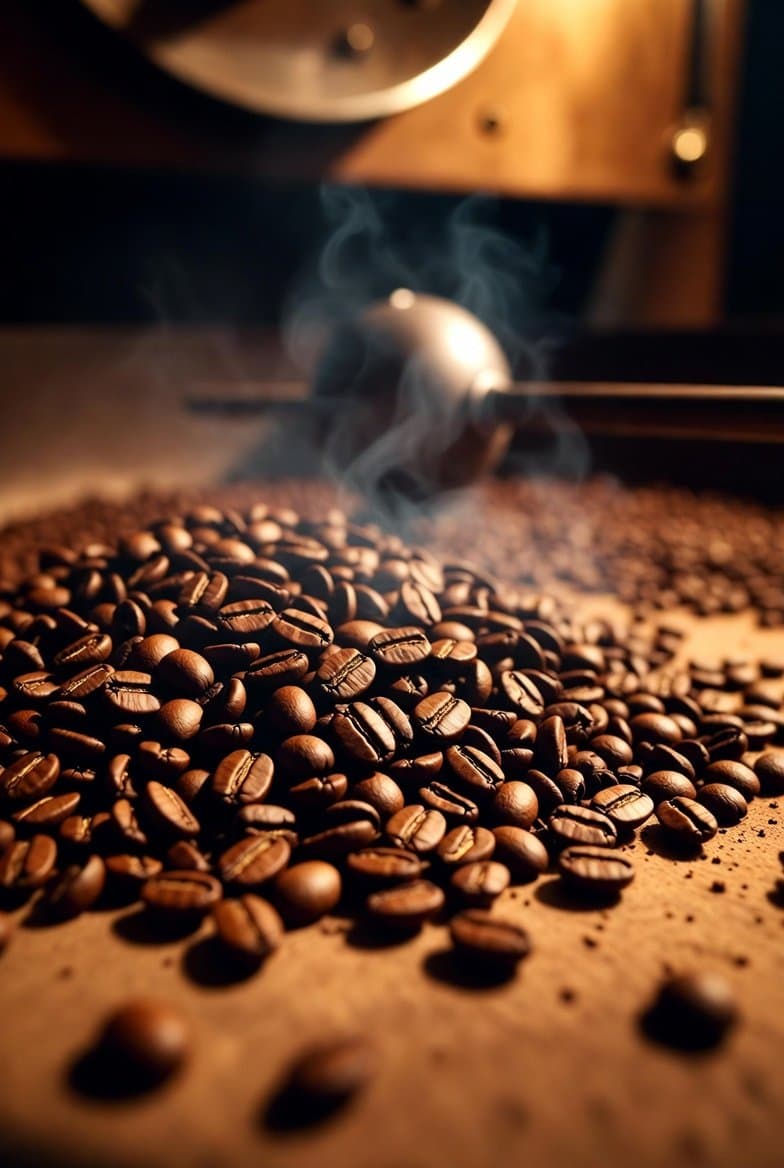
Drop the same green coffee into two roasters set ten degrees apart and you will get two different cups. The roast profile is the invisible hand behind every flavour note on the bag, and understanding it is one of the fastest ways to start choosing coffees you will actually love. At Beanlytics Craft Coffee in Richmond, BC, roast profiling is where our work begins.
What is a roast profile?
A roast profile is the record of how heat was applied to a batch of coffee over time: the temperature the beans went in at, how fast they climbed, when they cracked, and how long they were held after that. Two roasters can take the same green coffee to the same final colour and still produce different cups, because the path matters as much as the destination.
Which element helps shape a coffee roast?
Heat shapes a coffee roast, and specifically how heat is applied over time. The green coffee decides how heat gets in: density, moisture content, bean size and processing. The roaster decides what the heat does: charge temperature, gas, airflow, rate of rise, when first crack arrives and how long the roast develops after it.
The green coffee side
Dense, high-grown beans and beans holding more moisture absorb heat slowly, so they need more energy early in the roast. A lower-grown or drier lot takes the same heat faster and can scorch on the same settings. Bean size works the same way, which is why a large Pacamara and a small Ethiopian selection never share a profile. Processing changes the starting point too: natural and honey lots, dried with fruit on the seed, tend to move through the browning stage faster than washed lots, so they usually want less heat up front.
The roaster’s side
Charge temperature is how hot the drum is when the beans go in. Gas, the heat applied, and airflow decide how quickly energy reaches the beans and how much is carried away with chaff and smoke. The rate of rise is how many degrees the bean temperature climbs per minute, and a profile is largely the shape of that curve; most roasters aim for a steady decline rather than stalls or spikes. First crack is the audible point where steam pressure breaks the bean open. Development time is everything after it, usually expressed as a share of the total roast. Longer development builds body and softens acidity; shorter development keeps fruit and florals bright.
What changes inside the bean
Through the drying phase the bean loses moisture and turns from green to yellow. Then the Maillard reactions begin, where sugars and amino acids combine into the browned compounds that give coffee much of its aroma and body, followed by caramelization of the sugars themselves. The bean loses weight all the way through, more the darker it goes, and it darkens in step. Roast colour is the one thing you can measure afterwards: an Agtron reading puts a number on it, which is how we check that a batch landed where its profile said it would.
How we check a profile
The numbers describe the roast; the cup decides it. Every profile at Beanlytics is checked on the cupping table for sweetness, acidity, body and clarity, against the notes the green sample showed when we bought it, and adjusted when the two disagree. Roast, cup, adjust: that loop is the whole craft.
The stages of coffee roasting
Understanding roast profiles requires familiarity with the stages of roasting. Here is a quick breakdown of the phases:
- Green coffee: raw beans are pale green and smell of grass or hay.
- Drying: beans lose moisture, turn yellow and begin to develop their aromas.
- First crack: the beans pop, the sign of a light roast, and the familiar flavours start to emerge.
- Development: where the flavour character is set. Extending this stage leads to medium and dark roasts.
- Second crack: a sign of darker roast levels, which brings chocolatey and smoky flavours.
Understanding different roast levels
How different roast levels influence flavour:
- Light roasts preserve the coffee’s original flavours and acidity. Expect bright fruity notes and floral aromas. Ideal for anyone who enjoys the unique character of single-origin coffees.
- Medium roasts balance acidity and body and often have a sweet, smooth finish, with flavours like caramel and nuts. They suit most brewing methods.
- Dark roasts are rich and bold, with low acidity and strong flavour: chocolate, deep caramel and sometimes smoke. A favourite of anyone who wants a robust cup.
How roast profiles affect brewing methods
Enjoying coffee lies not just in how it is roasted but in how it is brewed. Different roast profiles can steer your choice of method:
- Light roasts and AeroPress: this method highlights the complexity of light roasts, bringing out bright flavours and aromatic nuance.
- Medium roasts and pour-over: pour-over accentuates the balance of acidity and body.
- Dark roasts and French press: for dark roasts, the French press adds weight and lets you appreciate the deep, rich flavours.
Espresso is the method roast level is most often tied to: a bag sold as espresso beans is usually a darker roast of the same coffee, as we explain in espresso beans vs coffee beans.
Coffee origins and their impact on flavour
Where the beans grow also shapes the cup. Different regions have distinct climates and soils that contribute their own taste profiles. A brief overview:
- Latin America: often known for bright acidity and notes of chocolate and caramel.
- Africa: coffees from here are generally fruity, floral and wine-like, with lively acidity.
- Asia: these beans often have earthy and spicy character, less acidity and a full body.
Choosing the right coffee for you
As you explore, consider which flavours you enjoy most. Are you drawn to the bright, acidic notes of a light roast, or do you prefer the rich, bold flavours of a dark one? Our selection, including the Indonesia Sumatra Mandheling, has something for each answer. We invite you to explore what small-batch roasting can bring to your cup.
Final thoughts
Want to taste how different roasters handle their profiles? Start with our local’s guide to Vancouver’s best coffee roasters.
Understanding roast profiles is key to a better coffee experience. Once you recognise how roast level shapes flavour, you can make informed choices about what to buy. Vancouver’s coffee community is full of chances to explore new flavours and brewing techniques, whether you are a seasoned enthusiast or just starting out.
If you would like to explore our range of coffees, or you are looking for a wholesale roaster, get in touch. We are glad to share what we know.
Related reading
- Fruity vs Chocolatey Coffee: What Makes the Difference, and Which to Buy
- How to Choose Coffee Beans: A Roaster’s Guide for Canada
Taste what thoughtful roast profiling can do.