Brewing Guides
How to Brew Specialty Coffee at Home — Pro Tips from a Vancouver Roaster
If you’re passionate about coffee, you already know that brewing a fantastic cup of specialty coffee at home requires both knowledge and skill. At Beanlytics Craft Coffee, a specialty roaster in Richmond, BC, we spend our days on the small details that separate an average brew from an extraordinary one. In this guide, we’ll provide you with expert tips and insights to elevate your home brewing game, ensuring you can enjoy a café-quality experience right in your kitchen.
Understanding Specialty Coffee
Before diving into the brewing process, it’s essential to grasp what sets specialty coffee apart. Specialty coffee is graded above 80 points on a 100-point scale by certified coffee tasters. This high quality is achieved through careful cultivation, picking, and processing practices. When you buy freshly roasted beans with a named farm behind them, such as our Brazil Yellow Catuai from Fazenda Sao Luiz, you’re investing in coffee that celebrates both craftsmanship and its unique flavor profile.
Essential Gear for Brewing
To brew specialty coffee at home, having the right gear is crucial. Here’s a list of items you might consider:
- High-Quality Coffee Beans – Always start with fresh, whole-bean coffee. Store your beans in an airtight container to maintain their flavor.
- Grinder – Invest in a burr grinder for a consistent grind size, which is crucial for optimal extraction.
- Scale – A digital scale helps you measure your coffee and water accurately, leading to a perfectly brewed cup every time.
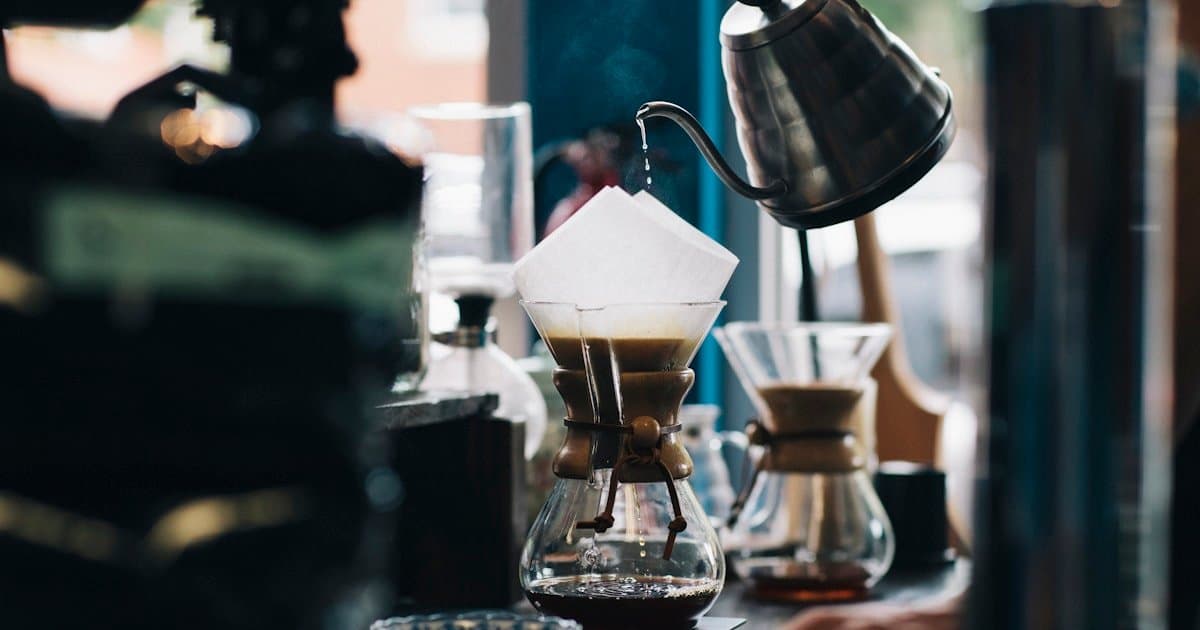
- Kettle – A gooseneck kettle allows for more control over pouring, which is essential for methods like pour-over.
- Brewing Device – Choose your brewing method wisely; options include pour-over, French press, Aeropress, or espresso machines.
Brewing Methods Explained
Each brewing method offers a unique way to extract flavors from coffee. Here’s a guide to some popular methods:
- Pour-Over: This method allows you to have full control over the water flow, ensuring an even extraction. Use a filter and pour slowly in a circular motion.
- French Press: Ideal for fuller-bodied coffee, the French press allows coffee grounds to steep directly in water. Use coarser grounds for best results and let it sit for about four minutes before plunging.
- Aeropress: This versatile method combines immersion and pressure. Experiment with grind size and brew time for different flavor profiles.
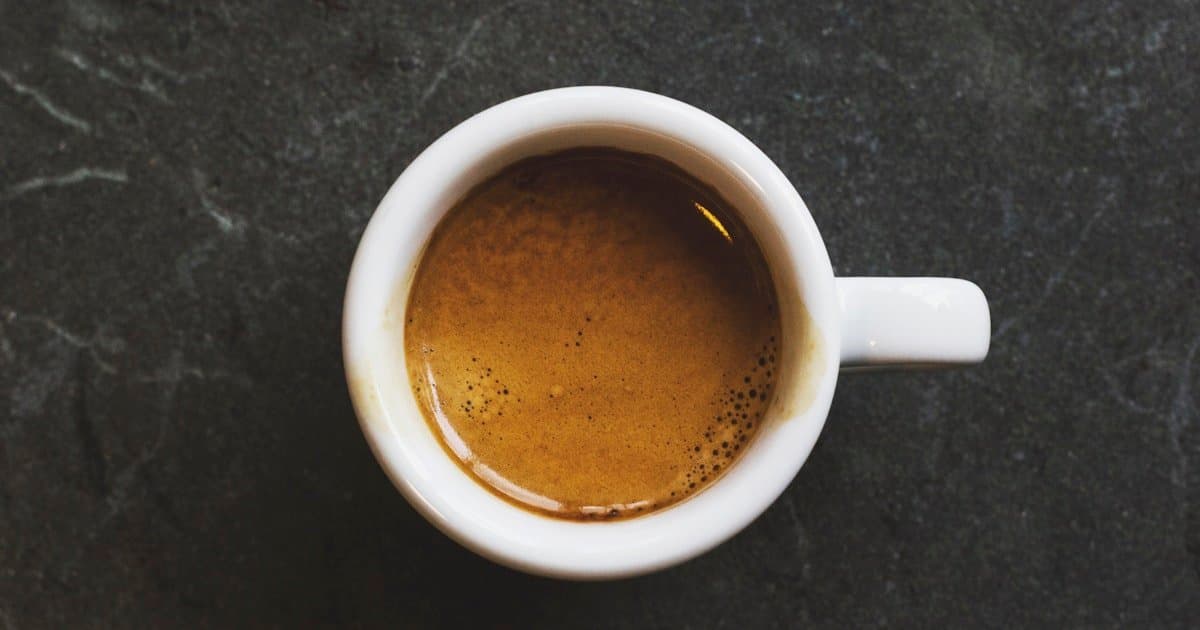
- Espresso: If you have an espresso machine, enjoy the rich, concentrated flavors that this method offers. Ensure your beans are finely ground and tamped evenly. Any coffee can be brewed this way; espresso beans and regular coffee beans differ mainly in roast and grind.
Brewing Ratios and Water Temperature
The right water-to-coffee ratio is crucial for brewing the perfect cup. A good starting point is:
- 1:16 ratio for pour-over and drip brewing (15 grams of coffee for every 240 grams of water).
- 1:15 ratio for French press (30 grams of coffee for every 450 grams of water).
For other amounts and brewers, our coffee to water ratio calculator works out the grams of coffee and water, the grind and the brew time.
Water temperature can also significantly influence extraction. Aim for a temperature between 195°F to 205°F (90°C to 96°C) for optimal brewing. Too hot and you risk burning the coffee; too cool and the extraction will be weak.
Common Brewing Mistakes to Avoid
Even experienced coffee lovers can make missteps while brewing at home. Here are some common mistakes to watch out for:
- Using stale coffee – Always check the roast date. How long coffee beans stay fresh says how many weeks you have, and how to store the beans.
- Poor grind size – Different methods require different grind sizes. Adjust yours based on your brewing technique.
- Inconsistent brewing times – Stick to your timings, as over or under-extraction can drastically change the flavor.
Embrace the Journey of Coffee
At Beanlytics, we believe in not just brewing but also appreciating the journey each coffee bean takes. From the farms we buy from to our roaster in Richmond, every cup tells a story. As you experiment with different brewing techniques, take a moment to reflect on the flavors and aromas you discover. No matter whether you’re seeking a bright acidity or a bold, chocolatey finish, your taste buds are your best guide!
Good technique still needs good beans. If you buy in the Vancouver area, our guide to the best coffee roasters in Vancouver sorts thirteen of them by how you buy: shipped to your door, over a café counter, or off a shelf nearby.
Final Thoughts
Brewing specialty coffee at home symbiotically combines art and science, allowing you to explore a vast world of flavors. Remember that the best practices take time to master, but with each cup you brew, you’ll learn something new. When you are ready to choose a coffee for the method you have just dialled in, the lots that suit pour-over and drip are on our coffees for filter brewing page and the ones that suit a machine are on coffees for espresso, each with its roast and tasting notes. Happy brewing!
Related reading
- The Perfect Coffee-to-Water Ratio (and Why It Changes Everything)
- Water Chemistry for Coffee Brewing: What Actually Matters
- How to Choose Coffee Beans: A Roaster’s Guide for Canada
- How to Taste Coffee at Home: A Q Grader’s Method
Ready to put these tips into practice?